Disney Bubble Display Font in Branding Projects
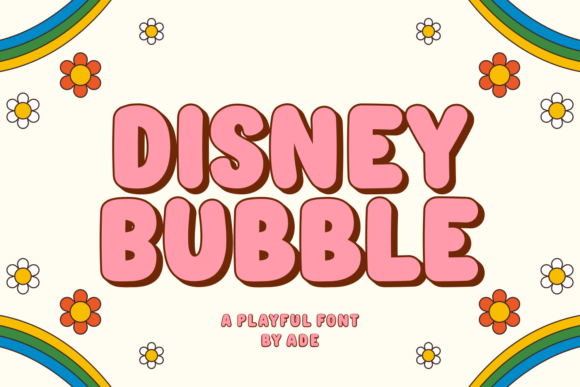
Yesterday, I opened a fresh brand board for a local boutique owner who wanted something warm and inviting. She was launching a new line of handmade skincare products and needed a visual identity that felt personal yet professional. As I started sketching out ideas, I found myself drawn to the Disney Bubble display font. It has this soft, rounded charm that just screams approachability — perfect for a small business with heart.
Using Disney Bubble Display Font in Logo Design
I began by testing the Disney Bubble typeface on her logo draft. The name she chose was “Hearth & Bloom,” and I wanted it to reflect both comfort and creativity. When I dropped the font into the design, it immediately gave the logo a friendly vibe. The rounded corners and playful curves didn’t feel childish, but rather like a gentle hug for the eyes. I made sure to adjust the spacing and scale so it wouldn’t become too cutesy or lose its clarity at smaller sizes. For logos where you want to convey warmth without sacrificing professionalism, Disney Bubble is a solid choice.
Disney Bubble for Packaging and Product Labels
Next up was packaging mockups. The client wanted labels that would stand out on store shelves but still feel natural and trustworthy. I used the Disney Bubble as the primary header font on product jars and stickers. Its cheerful personality worked well for the front-facing elements while keeping things simple and clean elsewhere. I paired it with a minimalist sans serif for body copy to maintain contrast and readability. The result? A label that feels fun but doesn’t compromise on legibility — exactly what she needed to catch attention without confusing customers.
Display Fonts Like Disney Bubble in Social Media Graphics
For social media assets, I leaned more heavily into the Disney Bubble display font. On Instagram posts promoting their new lavender hand cream, the font added a whimsical touch that matched the brand’s artisanal aesthetic. I used it for headlines and short call-to-action phrases. It performed especially well when layered over photos of natural ingredients and cozy textures. The key here was using it sparingly — too much and it loses impact. But in the right spots, it really helped set the tone and make the content pop.
Testing Disney Bubble for Print vs. Digital Use
I printed out a few mockups to see how the Disney Bubble font handled in physical form. On a sample business card, it looked great at 14pt, though I had to be careful with alignment to avoid any visual imbalance. In web headers, it rendered smoothly across browsers and devices. One thing I noticed: because it’s a display font, it shines most in larger formats. If you're considering using it for body text or long-form content, it might not be the best fit. Stick to headlines, taglines, and decorative accents to keep the design feeling cohesive and polished.
Font Pairing Strategies with Disney Bubble
When working with display fonts like Disney Bubble, choosing the right companion is essential. I paired it with a clean, modern sans serif for the supporting text on the website and packaging. This allowed the brand to feel playful but still grounded. Another option could be a delicate script font for signature lines or product descriptions, creating a balance between whimsy and elegance. Always test your pairings in real-world contexts — sometimes a font looks good on screen but clashes in print.
Commercial Use and Licensing Considerations
The client plans to use the final branding on merchandise, from branded tote bags to custom candle boxes. So I checked the licensing terms for the Disney Bubble display font to ensure it supports commercial applications. Fortunately, it does — which is always reassuring for designers who want to deliver scalable solutions. Just remember to review the specific license agreement before finalizing anything, especially if you're planning to use it in large quantities or high-volume production runs.
Disney Bubble in Website Headers and Hero Sections
On the homepage hero section, I placed the Disney Bubble typeface in a bold headline above a photo of the shop interior. It created an instant emotional connection with viewers — the kind that makes them pause and read a bit longer. Since it’s a display font, it works beautifully in short bursts of text. I avoided using it in menus or lengthy paragraphs, instead reserving it for key messages and value propositions. The effect was subtle but powerful; it helped establish the brand’s voice early on in the user experience.
Creating Consistency with a Display Font
One challenge with using a display font like Disney Bubble is maintaining consistency across all brand materials. I set up a style guide with defined uses: it would appear only in headlines and logo treatments, with no variations beyond bold and regular weights. That way, even though it’s a decorative typeface, it doesn’t disrupt the visual hierarchy or confuse the audience. Consistency is key when building brand recognition, and thoughtful application of a font like Disney Bubble can help achieve that without going overboard.
Disney Bubble Display Font for Boutique Branding
In boutique branding, every detail matters. The Disney Bubble display font brought a sense of joy and care to the project, aligning perfectly with the handmade, small-batch nature of the business. I tested it on a variety of surfaces — from packaging tags to in-store signage — and each time it delivered a soft, welcoming message. It's one of those fonts that feels like it belongs in the world of craft and community, which is exactly what the client was after.
Real-World Observations and Design Adjustments
As I moved through the design process, I noticed a few nuances. The Disney Bubble font has a unique rhythm due to its rounded forms, so spacing and kerning adjustments were necessary in tight compositions. It also plays nicely with hand-drawn illustrations and organic shapes, making it ideal for brands leaning into a creative or artisanal look. I made sure to highlight these observations during my presentation to the client, helping her understand why certain design choices were made.
Disney Bubble for Creative Studios and Freelance Projects
Since I freelance for multiple clients, I often need versatile tools that adapt to different industries. The Disney Bubble display font has been a go-to for projects involving lifestyle, wellness, and creative services. Whether it’s a branding package for a local flower shop or a poster for a weekend art class, it adds a touch of charm that resonates with audiences. What makes it special is that it’s not just a novelty font — it has enough structure to feel intentional and reliable.
Designing with Affectionate Typography
There’s a growing trend toward affectionate typography in branding — especially for businesses that want to build trust and familiarity. The Disney Bubble fits into this category beautifully. It doesn’t shout, but it does smile. That’s a rare quality in a display font, and it’s something I’ve come to appreciate in recent projects. Clients are looking for fonts that feel authentic and emotionally connected, and Disney Bubble delivers that with its soft curves and open letterforms.
Editorial Design and Disney Bubble
I recently experimented with using Disney Bubble in editorial layouts for a blog post about self-care routines. Used as a subheader and pull quote font, it added a light-hearted flair that contrasted nicely with the more serious body text. The key was limiting it to short sections where it could shine without overwhelming the reader. It worked particularly well in sidebars and captions, reinforcing the brand’s personality without distracting from the core content.
Why Choose a Cheerful Display Font?
When you’re designing for a small business, especially one rooted in community and craftsmanship, the Disney Bubble display font becomes more than just a stylistic choice — it’s part of the story. It conveys a sense of ease and joy that many modern consumers respond to. Unlike some fonts that feel overly stylized or hard to read, Disney Bubble strikes a balance between fun and functionality. That’s why it keeps showing up in my toolkit for similar projects.
Disney Bubble in Flyers and Poster Designs
Flyers and posters are all about capturing attention quickly. I applied the Disney Bubble font to a promotional flyer for a summer sale event and saw immediate improvements in engagement. The title “Summer Glow Sale” jumped off the page in a way that felt both exciting and approachable. I made sure to complement it with strong imagery and clear information, but the font played a crucial role in setting the right tone. For events or seasonal promotions, this kind of font can really elevate the design from ordinary to memorable.
Practical Tips for Testing Disney Bubble
- Try it on real brand assets: Before committing, apply the font to actual items like logos, labels, and digital ads to see how it performs.
- Test at different sizes: Make sure it reads clearly in both large and small formats, especially if it will appear on packaging or signs.
- Pair with complementary styles: Use a contrasting serif or sans serif font for body text to maintain visual balance.
- Check file formats: Confirm whether it includes OpenType features, ligatures, and alternate characters — useful for customization.
- Consider multilingual support: If the brand operates internationally, verify that the font supports the required language sets.
Final Impressions and Recommendations
After spending a week with the Disney Bubble display font, I’m confident it’s a great asset for anyone working on branding for a small business. It’s not just another pretty typeface — it’s a tool that helps tell a story. Whether you’re designing a boutique logo, crafting a website header, or putting together a poster for a local event, this font brings a level of warmth and playfulness that’s hard to find elsewhere. I’d recommend giving it a try in your next project — you might just fall in love with how it feels on the page and in the mind of your audience.