Rova Display Font for Bold Branding and Creative Projects
I was deep into a branding project for a local artisanal bakery when I stumbled upon Rova. The client wanted something modern yet timeless to reflect their commitment to quality and craftsmanship. As I opened up the brand board, I knew that the right typeface could make or break the visual identity. After testing several display fonts, Rova stood out — not just because it looked great on screen, but because it carried the kind of strength and simplicity that resonated with the brand’s personality.
Using Rova in Logo Design for a Modern Café
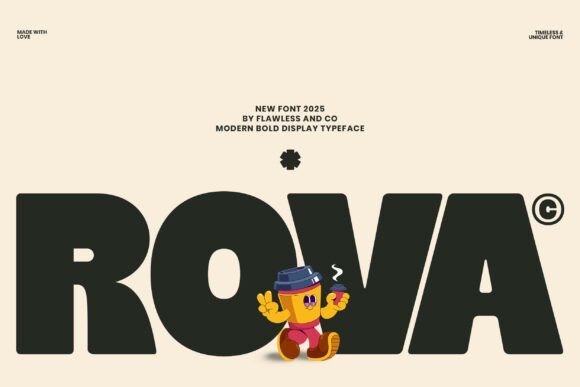
Rova is one of those display fonts that immediately commands attention. Its bold character and clean geometric shapes are perfect for logo design, especially when you want to project confidence without being overly aggressive. In my test run, I used Rova as the headline font for a café logo concept. The curves added a touch of elegance while maintaining a strong, approachable feel. It worked well with both minimalist layouts and more vibrant compositions, which is a big plus when balancing creativity with brand clarity.
The font doesn’t scream “trendy,” which is rare for many display fonts these days. Instead, it feels like a premium font with a modern edge. That makes it ideal for businesses looking to create a memorable identity without chasing every passing design fad. Just keep in mind that since Rova is a bold display font, it's best suited for short phrases rather than long text in logos.
Rova for Packaging Design and Brand Boards
When I moved from the logo draft to the packaging mockup, Rova didn’t lose its charm. The powerful curves translated beautifully onto product labels and boxes. On a small boutique packaging design, Rova gave the impression of a high-end, handcrafted product. It’s not your average decorative font — it has enough structure to remain legible at a glance, even in condensed formats.
One thing I noticed is that Rova works particularly well with brand boards where contrast is key. Placing it next to a classic serif font helped highlight its modernity without clashing. For instance, pairing it with a traditional typeface like Garamond created a balanced look between innovation and trustworthiness — a winning combo for lifestyle brands and creative studios alike.
Applying Rova in Social Media Layouts and Website Headers
Social media is all about making an impact quickly, and Rova delivered exactly that. Whether it was a post title for Instagram or a hero section on a website, the font cut through the noise. Its boldness and geometric form made headlines pop without needing extra effects or drop shadows. This is especially useful for content creators who need to stand out in crowded feeds.
In web design scenarios, I found that Rova performed admirably as a headline font. While it isn't recommended for body copy due to its size and style, it excelled in headers and call-to-action buttons. If you're using this font for digital projects, ensure you have the webfont version available. I also recommend using it sparingly to maintain visual hierarchy and avoid overwhelming the viewer.
Rova as a Creative Font for Business Cards and Print Assets
I always test fonts on business cards before finalizing any brand identity. Rova handled the transition from digital to print effortlessly. Printed at 12pt, the characters retained their shape and readability, which surprised me given how bold and curvy they appeared on screen. The clean lines and solid weight made the name of the business feel trustworthy and professional.
For print assets like posters and flyers, Rova brings a dynamic energy that can elevate a simple layout into something eye-catching. However, if your project requires a lot of small text, such as footnotes or disclaimers, you might need to switch to a more compact sans serif font to complement it. But for short impactful statements, Rova is hard to beat.
Font Pairing Suggestions with Rova
One of the most important aspects of typography is knowing how to pair fonts effectively. With Rova, I experimented with different combinations. A popular match was with a sleek sans serif font for secondary text — this kept the layout modern while allowing Rova to take center stage. When working on editorial design, a lighter version of Rova (if included) paired nicely with a handwritten font to add warmth and contrast.
If you're aiming for a bolder look, try combining Rova with another display font that has similar characteristics but a slightly different rhythm. But remember, less is more. Don’t overuse it in font pairing unless you’re going for a specific typographic effect. Stick to two fonts max in any design piece to keep it cohesive.
When Rova Might Not Be the Best Choice
While Rova shines in many branding applications, it’s not a universal solution. It lacks the subtlety needed for long-form body text and may not be suitable for formal corporate identities. If your client needs a font that reads well in small sizes or across dense paragraphs, Rova won’t serve them well. It's a display font, after all — meant for emphasis, not endurance.
That said, if your project involves anything from shop signage to product mockups, Rova is a top contender. It’s versatile enough for creative font lovers but grounded enough to work within commercial design standards. Just know its limitations so you can use it smartly and strategically.
Testing Rova Before Final Client Work
Before committing to Rova in a client project, I suggest doing a quick real-world test. Download a free sample version (if available) and place it in various contexts: a logo draft, a social media layout, a packaging mockup, and even a printed business card. Observe how it looks under different lighting conditions and at varying sizes. You’ll get a better sense of whether it aligns with the brand’s tone and purpose.
Also, check the licensing options thoroughly. Since this is a commercial font, make sure it's appropriate for the intended use — whether that’s for a client’s brand identity, a template for resale, or a print-on-demand merchandise line. Licensing terms can vary, and you don’t want to hit a snag mid-project.
Why Rova Fits into My Toolkit
As a brand designer who juggles multiple projects, I appreciate when a display font like Rova offers both versatility and personality. It doesn’t require much tweaking to fit into a variety of branding materials. Whether it’s a handmade shop branding refresh or a new creative studio identity, Rova adds a level of professionalism and visual appeal that’s hard to ignore.
Its combination of geometric shapes and bold curves gives it a unique voice in the world of modern typography. And because it’s designed with a timeless aesthetic in mind, it avoids feeling too trendy or dated too quickly. That longevity is a major bonus for anyone investing in a high-quality font for their branding toolkit.
Final Thoughts on Rova for Display Typography
Rova is more than just another display font — it’s a statement. From the moment I applied it to a brand board, I saw how it could anchor a visual identity with strength and clarity. It’s not just for logos; it breathes life into packaging design, social media graphics, and even website headers. But like any good typeface, it needs to be used with intention.
If you're a graphic designer, blogger, or small business owner looking for a bold, confident font that stands out without shouting, give Rova a try. Let it speak for itself in your next project — just don’t let it do all the talking. Balance it with complementary styles and always consider the context. And if you love what you see, make sure to review the font license before diving in — because when it comes to fonts, especially in commercial design, details matter.