Dotted Lines Font for Kids-Friendly Branding and Display Typography
As a small business owner, I’ve always believed that every detail matters — even the font on your packaging. Recently, I was designing new thank-you cards for my handmade greeting card shop, and I realized how much of an impact typography could have on the customer experience. That’s when I discovered Dotted Lines, a cheerful and modern children’s cartoon font that instantly added personality to my designs. Since then, I’ve been using it across all my branding materials, and it's made a noticeable difference in how customers perceive my brand.
Dotted Lines for Handmade Product Packaging and Kids-Themed Brands
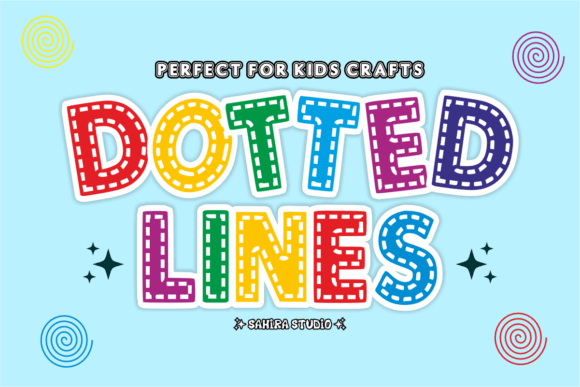
I first downloaded Dotted Lines after seeing a sample of its characters online. Each letter is cute and unique, with playful dots and lines that give it a hand-drawn charm. As someone who sells custom birthday cards and baby gifts, this font fit perfectly with the warm, joyful tone I wanted to convey. It's not just any font, but a display typeface designed to grab attention and evoke smiles. The uppercase-only format makes it ideal for short phrases, product titles, or decorative accents on packaging and labels.
When I redesigned my product tags, I paired Dotted Lines with a clean sans serif font for the price and description, which helped balance the whimsical look with clear readability. The result? A more cohesive and professional appearance without losing the fun factor. For brands targeting young families or educational products, Dotted Lines can be a great way to stand out while staying true to a child-friendly vibe.
Using Dotted Lines on Social Media Graphics for Brand Consistency
Social media has become a big part of my sales strategy, especially for showcasing new designs and seasonal collections. But I noticed that my posts felt a bit inconsistent — some used bold fonts, others were too plain. After experimenting with different options, I landed on Dotted Lines as my go-to display font for Instagram stories and banners. Its distinct style gives everything a unified feel, making my brand more recognizable at a glance.
The uppercase structure works well for headlines and short captions, and the dots add a subtle touch of creativity that feels fresh and approachable. I recommend using it sparingly if you're going for subtlety, but for themed content like “Back to School” or “Birthday Collection,” it really shines. Just make sure to check if the font includes ligatures or alternates that could enhance your message further.
Dotted Lines for Café Menus and Kids’ Themed Events
A local café I collaborate with needed a menu redesign for their kids' breakfast event. They wanted something fun but still easy to read. We settled on Dotted Lines for the headings and titles, complemented by a simple sans serif font for the body text. The contrast between the playful display typeface and the clean supporting text created a friendly yet polished look.
What I loved most was how the font didn’t clash with the café’s overall branding but instead added a sense of warmth and excitement. It helped draw attention to special items like pancakes and waffles, and the uppercase letters ensured visibility from a distance. When working with display fonts like Dotted Lines, it's important to consider where they’ll appear — menus printed on paper versus digital screens need slightly different approaches to maintain clarity.
Dotted Lines as a Creative Font for Boutique Branding and Merchandise
Boutique owners often rely on visual storytelling to connect with their audience. I know a few entrepreneurs who sell handmade toys and kid-friendly apparel, and they’ve all found success using Dotted Lines in their logo design and product tags. The font adds a personal touch that screams “crafted with love,” which is exactly what these businesses want to communicate.
- Logo Design: Dotted Lines works beautifully for logos that are meant to appeal to parents and children alike. Its friendly curves and dotted details give it a soft, inviting feel.
- Product Tags: Whether it's a label for a stuffed animal or a tag for a personalized book, the font helps highlight key words like “Gift,” “Custom,” or “Made with Love.”
- Merchandise Mockups: When creating mockups for clients, the font’s character-based design ensures that each letter looks intentional and expressive.
One thing to keep in mind is that Dotted Lines is best suited for headlines and display text rather than long paragraphs. It’s perfect for signage, stickers, and promotional flyers — places where a strong visual identity is key. If you're planning to use it on small labels or mobile-sized graphics, test it out at various sizes to ensure it remains legible and charming.
How to Pair Dotted Lines with Other Fonts for Visual Harmony
While Dotted Lines stands out on its own, combining it with complementary fonts can elevate your design game. For a balanced look, I suggest pairing it with a minimalist sans serif for body text. This combination keeps the design lively while ensuring that important information remains clear and easy to digest.
If your brand leans toward elegance or sophistication, you might try a classic serif font alongside Dotted Lines for a contrast that highlights both styles. Another option is a script or handwritten font for signature lines or quotes. Just remember that Dotted Lines should remain the focal point — using it too often can overwhelm the reader.
Choosing the Right File Format and Commercial Licensing for Dotted Lines
Before finalizing any design, I always double-check the file formats included with the font. Dotted Lines typically comes in standard web and print-ready formats like TTF and OTF, which is essential if you plan to use it across multiple platforms. You don't want to run into issues when printing your latest sticker batch or uploading assets to your website.
Also, make sure to verify the commercial licensing terms. If you’re using Dotted Lines on client projects, merchandise, or digital downloads, you'll need the right permissions to avoid legal pitfalls. Many premium fonts offer flexible licenses depending on your usage, so it's worth investing time to understand what yours covers.
Dotted Lines for Kids’ Skincare Labels and Educational Product Titles
Another friend of mine runs a natural skincare line for children. Their packaging had always been eco-friendly and safe, but the visuals felt generic. By switching to Dotted Lines for the product titles, they gave their brand a more creative edge. Words like “Nourish,” “Gentle Care,” and “Pure Joy” now pop with a playful energy that matches the product’s purpose.
Because the font uses only uppercase letters, it’s incredibly versatile for short statements. It also pairs well with illustrations or botanical elements, adding a layer of whimsy that speaks directly to parents looking for trustworthy yet engaging products. In editorial design, such as brochures or guides, it can be used as a heading to introduce sections about ingredients or benefits.
Why Small Business Owners Should Consider Dotted Lines for Brand Identity
Typography isn’t just about aesthetics — it plays a huge role in how your brand is perceived. A well-chosen font can make your business look more trustworthy, consistent, and memorable. With Dotted Lines, you get a display typeface that's not only eye-catching but also emotionally resonant. It invites interaction and creates a sense of joy, which is invaluable for brands that aim to build a loyal customer base.
Whether you're updating your website banners, creating social media ads, or designing printable stickers for your next sale, Dotted Lines offers a way to inject personality into your visuals. And since it's a font designed specifically for children's themes, it's particularly effective for businesses in education, childcare, or family-oriented niches.
Readability Tips for Using Dotted Lines in Print and Digital Designs
Even though Dotted Lines is a decorative display font, readability shouldn’t be sacrificed. Here are a few tips I’ve learned from real-life use cases:
- Use Larger Sizes: Because of the stylized characters, it’s best to use Dotted Lines in larger sizes — especially on printed materials like boxes, bags, or posters.
- Limit Line Lengths: Keep text short and snappy. Long sentences or paragraphs won’t work well with this font.
- Test on Different Surfaces: Try it on cardboard, fabric, and digital thumbnails to see how it holds up under different lighting and resolutions.
- Stick to Uppercase: Since it’s an uppercase-only font, embrace that constraint creatively. Use it for names, titles, and key phrases to maintain visual consistency.
These adjustments help ensure that your message stays clear and your brand stays cute and professional. I’ve seen firsthand how small tweaks in typography can lead to bigger wins in customer engagement and brand trust.
Getting Started with Dotted Lines for Your Next Design Project
So how do you start using Dotted Lines? First, download the font and experiment with it in your existing templates. See how it looks on your packaging mockups, social media posts, or website headers. Once you find a good fit, consider how it can be integrated into other parts of your brand identity — from email signatures to branded stickers.
Remember, Dotted Lines is a display font, so it’s not intended for large blocks of text. Think of it as a tool to highlight key messages or create emotional connections with your audience. It’s especially useful for businesses looking to add a little flair without going overboard.
From my experience, a font like Dotted Lines can transform the look of your business materials overnight. It’s not just about making things pretty — it’s about making them meaningful. And when your brand looks thoughtful and consistent, customers take notice.