Small Kids Font for Playful Web Design
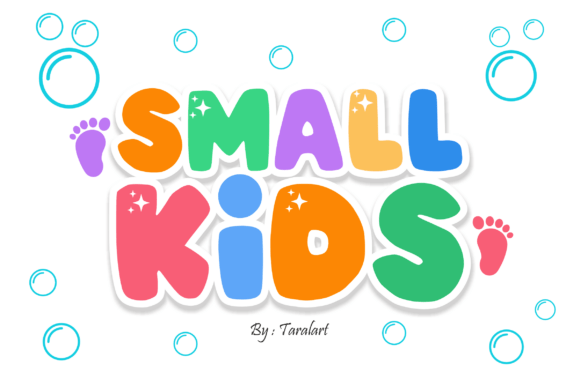
In the ever-evolving world of web design, choosing the right font can be the difference between a forgettable layout and one that captures attention. As a digital product creator, I often seek fonts that align with the brand’s tone while maintaining clarity across devices. That’s why Small Kids, a bubbly, adorable kid-friendly font, stands out in my toolkit. Its robust and playful characters ensure easy recognition without sacrificing charm, making it a strong contender for sublimation-focused designs and brand-centric web experiences.
Small Kids for Child-Focused Branding and Website Headers
The Small Kids display font is perfect for headers on websites targeting children or families. Whether you're designing an educational platform, a toy store landing page, or a kids' activity blog, this typeface adds warmth and approachability to your site. The exaggerated curves and friendly shapes make it ideal for hero sections where you want to create a sense of joy and innocence from the first glance.
I’ve used Small Kids for boutique online stores selling baby clothes and toys, and the effect is immediate — users feel like they’re engaging with a brand that truly understands its audience. It’s not just about looking cute; it's about building trust through typography. A child-friendly font can subtly communicate safety, creativity, and fun, which are essential for family-oriented businesses.
Optimizing Visual Hierarchy with Small Kids Typography
One of the key strengths of Small Kids is how it supports visual hierarchy. In UI design, we know that guiding the user’s eye through the content is crucial for conversion-focused layouts. This display font helps differentiate headers from body text, especially when paired with more neutral sans serif fonts for supporting copy.
- Use Small Kids for primary headings to draw attention.
- Pair it with a clean, legible font for body content to maintain readability.
- Apply bold weights for call-to-action buttons to emphasize urgency and playfulness at the same time.
When using Small Kids in section titles, keep the contrast high by placing it over light backgrounds or within illustrated banners. This ensures that the playful nature of the font doesn’t clash with usability, particularly on mobile screens where every detail matters.
Enhancing Digital Readability with Small Kids Display Font
Many designers hesitate to use decorative fonts due to concerns about readability, but Small Kids proves that style and function can coexist. Each character is noticeably distinct, which makes scanning easier even at smaller sizes. This is particularly important for responsive layouts where headers might shrink on mobile views.
For example, I recently implemented Small Kids in a course sales page for a creative writing platform aimed at young learners. The font was used for the title and chapter headings, giving the entire site a whimsical yet professional edge. Users could quickly navigate the content thanks to the clear structure supported by the font’s strong visual identity.
Using Small Kids for Banners and Image Overlays
Banner design requires a balance between visibility and aesthetics. Small Kids excels in this area, especially when overlaid on images with bright colors or playful illustrations. The rounded edges and open letterforms allow it to sit comfortably on top of visuals without causing visual clutter.
Here’s how I apply it in practice:
- Select a vibrant image background that complements the font’s tone.
- Place the Small Kids headline at the center or top-left corner for natural reading flow.
- Ensure there’s enough negative space around the text to avoid overwhelming the viewer.
This display font is also effective in pop-up promotions or limited-time offers on e-commerce sites. When paired with contrasting colors and a minimalist layout, it enhances the perceived value of the offer and keeps the message memorable.
Small Kids for Conversion-Driven Landing Pages
Conversion-focused layouts benefit from Small Kids because it naturally invites engagement. The font’s personality aligns well with brands that want to project a sense of community, creativity, or care — all qualities that resonate with parents, educators, and child-related services.
I recommend using Small Kids for the following elements on a landing page:
- Hero Title: Make your main headline stand out with a touch of fun.
- Feature Sections: Add variety to section headers without distracting from the core message.
- Call-to-Action Buttons: Use lighter weights or condensed versions to fit short phrases like “Join Now” or “Get Started.”
Its consistent stroke width and generous spacing help maintain a clean look, even when used in multiple instances throughout a page. For SaaS founders or marketers targeting younger demographics, this font can subtly reinforce the brand’s values and purpose.
Designing with Small Kids for Brand Identity and Logo Text
Brand identity is built on subtle cues, and Small Kids is a great choice for logos and branded headers that need to reflect a lighthearted, youthful tone. The font works particularly well for startups or small businesses in education, entertainment, or lifestyle niches that serve families or children.
When creating a logo using Small Kids, consider these tips:
- Test it at different sizes to ensure legibility on both large banners and small icons.
- Use it sparingly if your brand has a mature or professional voice — it may not fit every context.
- Consider combining it with a more structured font in your brand kit for consistency across marketing materials.
For instance, a children's book publisher I worked with used Small Kids in their logo alongside a classic serif font for taglines and descriptions. This created a balanced identity that felt both playful and trustworthy.
Small Kids in Social Media Graphics and Blog Headers
Social media platforms demand fast-loading, visually compelling assets. Small Kids fits perfectly into this scenario as a decorative display font that still maintains clarity. Whether you're crafting Instagram posts, Facebook banners, or YouTube thumbnails for a child-focused channel, this font can instantly elevate the mood of your graphics.
On blog headers, especially those featuring topics like parenting tips or kid-friendly recipes, Small Kids adds a personal touch that encourages readers to engage. The key is to pair it with secondary fonts that provide contrast and guide the reader toward the content.
Pro tip: When using Small Kids in social media graphics, always test it against various background colors and lighting conditions. The font performs best on high-contrast settings, ensuring that your message remains clear and inviting across all devices.
Font Pairing Strategies with Small Kids
To get the most out of Small Kids, thoughtful font pairing is essential. Since it’s a decorative display font, it should be reserved for headlines and titles rather than full paragraphs. Here are some effective combinations I've tested in real projects:
- Small Kids + Open Sans: Great for a modern, friendly website with a solid base for body text.
- Small Kids + Lato: Offers a clean and professional feel while keeping the playful essence intact.
- Small Kids + Merriweather: Combines whimsy with a touch of editorial sophistication for blogs or magazines.
These pairings help maintain a cohesive brand identity while leveraging the unique charm of Small Kids. Always aim for harmony between your primary and secondary typefaces to avoid cognitive overload for the viewer.
Ensuring Cross-Platform Compatibility and Commercial Use
Before implementing Small Kids in client projects or commercial websites, it's important to verify file formats, webfont availability, and licensing terms. Most premium Fonts come with WOFF and TTF files, which are widely supported across browsers and devices. If you plan to use it on a live site, opt for webfont integration via CSS for optimal performance and scalability.
Also, check whether the font includes alternates, weights, and multilingual support depending on your target audience. These details can impact the font’s versatility and long-term usability, especially for global brands or multi-language content sections.
Regarding commercial use, always confirm that your license allows for deployment on websites, digital products, and brand assets. Some fonts require separate permissions for web embedding or usage in templates. As a designer, staying compliant is part of delivering a professional experience — and Small Kids is no exception.
Small Kids in Creative Portfolios and Branded Content
Creative portfolios thrive on personality, and Small Kids delivers exactly that. Whether you're showcasing illustration work, graphic design, or animation, this font can add a signature style to your headers and navigation menus. It’s particularly useful for artists who work with children or whose brand aesthetic leans toward nostalgia and hand-drawn charm.
I’ve seen it used beautifully in portfolio sites for animators, illustrators, and app designers working in edutainment. The display font gives the site a distinctive flair without overshadowing the actual work. Just remember to limit its use to key visual elements and rely on simpler fonts for the rest of the interface to maintain balance.
Small Kids for Sublimation and Decorative Accents
Sublimation projects, such as mugs, t-shirts, or promotional items, often benefit from expressive Fonts. Small Kids brings an element of surprise and delight to these surfaces, making them more appealing to the target demographic. The font’s ease of recognition means it won't confuse customers, even when printed at varying sizes.
As a designer, I love using Small Kids for decorative accents in UI components like badges, labels, or interactive buttons. It can highlight special features or promotions in a way that feels less corporate and more personable. However, avoid using it in areas where legibility is critical, such as form fields or data-heavy dashboards.
Mobile Optimization Tips for Small Kids
With mobile-first design being standard today, optimizing Small Kids for smaller screens is necessary. Here are a few techniques I use:
- Keep line lengths short to prevent wrapping issues.
- Use larger font sizes for headers and reduce complexity in navigation labels.
- Avoid using too many alternates in mobile menus — simplicity wins here.
On dark backgrounds, increase the font weight slightly to maintain visibility. On light backgrounds, especially those with gradients or photos, use outlines or shadows for better legibility. These adjustments ensure that the display font retains its appeal while functioning effectively in mobile environments.
Small Kids for Online Stores and Product Pages
Online stores selling children’s products, toys, or family-themed merchandise can greatly benefit from Small Kids. The font injects energy into category headers and product titles, making browsing more enjoyable. It also helps differentiate between sections, improving the overall shopping experience.
Here’s a practical example: a toy store I designed used Small Kids for category names like “Pretend Play” and “Learning Kits,” while the pricing and descriptions were set in a straightforward sans serif. This combination made the site feel both informative and engaging, increasing time spent on pages and boosting conversions.
Remember to evaluate how Small Kids interacts with other design elements like buttons, icons, and imagery. A mismatched color palette or overly complex layout can negate the font’s benefits. Keep the design focused and let the font shine where it matters most.
Small Kids in Course Sales Pages and Educational Platforms
Educational platforms and course creators often face the challenge of balancing professionalism with approachability. Small Kids provides a solution by adding a layer of friendliness to headers and section titles without compromising credibility.
On a recent project for an online art school for children, I integrated Small Kids into the course titles and welcome messages. It helped establish a warm and encouraging tone, which is vital for keeping young users engaged. For the instructor bios and lesson descriptions, I switched to a clean sans serif to preserve clarity and maintain a seamless learning environment.
If you're designing a coaching website or educational portal for kids, consider using Small Kids for titles and feature highlights. It reinforces the idea that the platform is tailored specifically for young minds and fosters a sense of belonging and excitement.
Final Considerations for Using Small Kids Effectively
While Small Kids is a standout display font, its effectiveness depends on thoughtful implementation. Evaluate your brand’s tone, the needs of your audience, and the context in which the font will appear. It’s not a one-size-fits-all solution, but in the right scenarios, it can transform your digital experience.
Whether you're crafting a Font-driven banner for an online store, designing a landing page for a family service, or building a portfolio with a unique voice, Small Kids brings a level of expressiveness that few others do. It’s a tool that blends creativity with clarity — a rare but powerful asset in the designer’s arsenal.