Roadscript: A Vintage Font Duo for Nostalgic Editorial Design
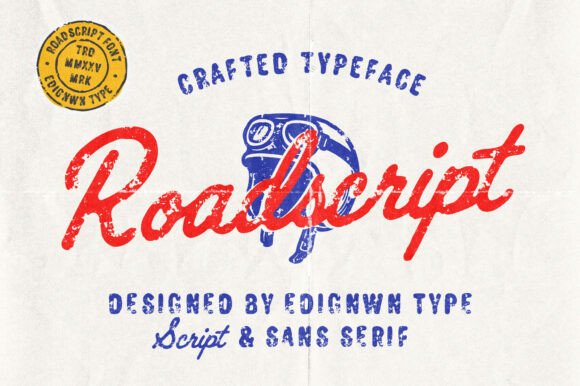
There’s something special about the moment you open a design project and start experimenting with fonts. It’s where tone meets texture, and personality begins to take shape on the page. Recently, I found myself working on a redesign for a digital lifestyle blog that wanted to embrace a warm, handcrafted feel — something vintage but still fresh. As I sifted through display fonts, one caught my eye: Roadscript. This retro automotive font duo promised expressive hand-drawn curves and a nostalgic garage-inspired grit. I decided to test it out in real editorial layouts, and what I discovered made me rethink how I approach content branding.
Roadscript for Lifestyle Blog Headers and Nostalgic Branding
My first use of Roadscript was for a header in a lifestyle blog layout. The blog focuses on analog hobbies like pin-up art, classic car culture, and DIY home projects — all themes that benefit from a warm, authentic visual language. I replaced the standard sans serif heading with Roadscript and immediately felt a shift in mood. The handwritten curves added an organic rhythm that pulled readers into the story. For a publication aiming to evoke a sense of timelessness, this display font duo delivered exactly the right tone.
What stood out most was how well Roadscript balanced expressiveness with clarity. Many script or handwritten fonts can be too ornate for screen reading, but not this one. Its clean lines and subtle inconsistencies mimic the natural flow of a skilled calligrapher without becoming distracting. I used it at 48pt across a mobile-responsive layout, and it read beautifully even on smaller screens.
Using Roadscript in Recipe Ebooks and Printable Guides
Next, I tested Roadscript in a recipe ebook cover. The goal was to create something inviting yet professional, and the vintage grit of this typeface brought just the right amount of charm. The title “Seasoned Traditions” looked bold and stylish in Roadscript, making the ebook feel like a curated collection passed down through generations. I also used it in section headings and pull quotes throughout the interior, which helped establish a cohesive brand identity while keeping the reader engaged with varied typography.
For printable guides, such as a vintage-style cookbook or a retro-themed wellness planner, Roadscript proved versatile. I paired the more decorative variant with a clean sans serif body font to ensure readability without sacrificing character. The contrast between the two created a strong visual hierarchy — perfect for guiding the reader through structured content. In print, the texture of the letters added depth, especially when printed with a matte finish or soft ink.
Roadscript in Wedding Invitations and Stationery
I’ve worked on several wedding-related projects over the years, and finding the right font is always crucial. For a rustic-themed wedding guide, I reached for Roadscript again. The hand-drawn curves gave the invitation suite a personal touch, almost like each letter had been written by the couple themselves. It worked especially well for names and key phrases like “Join Us” or “Celebrate With Us,” adding warmth and elegance to the design.
The versatility of Roadscript shone through here. While it has a vintage flair, it doesn’t feel outdated. Instead, it brings a timeless quality that fits both casual and formal contexts. I appreciated the included alternates and ligatures, which allowed for creative customization without compromising legibility. Even guests who weren’t familiar with typographic trends found the text easy to read and aesthetically pleasing.
How Roadscript Enhances Magazine Covers and Digital Publications
In another project, I designed a mock-up for a digital magazine focused on automotive history and indie car culture. The editor wanted a look that felt like flipping through a collector’s journal. Roadscript was the obvious choice for the masthead and feature titles. The retro automotive vibe of the font duo perfectly mirrored the publication’s niche, giving it an instant sense of authenticity.
Working with display fonts often means they’re only suitable for headlines and not body copy, and Roadscript follows this rule. However, it shines in its intended role. I used it for article titles and chapter openers, alternating between the two styles within the font family to add variety without overwhelming the reader. When combined with a minimalist sans serif for captions and navigation, the result was a modern-yet-nostalgic layout that felt intentional and refined.
Roadscript in Coaching Workbooks and Course PDFs
Surprisingly, Roadscript also worked well in a coaching workbook for a personal development course. The client wanted a design that felt both grounded and aspirational — something traditional enough to convey wisdom but playful enough to inspire creativity. I used the bolder style of Roadscript for section headers and motivational pull quotes, which gave the pages a dynamic energy. The softer variant was ideal for sidebars and interactive prompts, helping to break up dense content while maintaining a consistent voice.
It’s important to note that this isn’t a font for long-form reading. But in the context of a course PDF or worksheet, it adds character to key elements. Readers responded positively to the visual cues, noting that the font made the material feel more approachable and less clinical than typical sans serif choices.
Font Pairing Tips for Editors Using Roadscript
One of the joys of using a premium font like Roadscript is figuring out how to pair it effectively. Since it’s a display font, it needs a reliable partner for body text. I recommend pairing it with a readable serif font for articles and a clean sans serif for captions and navigation. This combination maintains the nostalgic feel of the publication while ensuring practicality for everyday reading.
- With a Serif Font: Great for blogs and magazines where the body text should feel elegant and timeless.
- With a Sans Serif Font: Ideal for newsletters and digital publications where simplicity and clarity are key.
- With a Minimalist Script: Works well for social media graphics and pull quotes to maintain a cohesive handwritten theme.
I also took advantage of the multilingual support included in the font files, which made it a solid choice for international publications. Whether designing for English-speaking audiences or those in European markets, the font maintained its integrity across languages. Checking file formats and commercial licensing before finalizing the layout ensured there were no issues when exporting for paid clients or public downloads.
Roadscript in Newsletter Graphics and Branding Elements
Email newsletters are a powerful tool for content creators, and typography plays a big role in their success. I integrated Roadscript into a monthly newsletter for a small creative business, using it for the subject line and hero headline. The vintage grit helped the message stand out in crowded inboxes, and the hand-drawn curves gave the newsletter a friendly, artisanal appeal.
Readers mentioned the design felt more personal and trustworthy, which is exactly what the brand was going for. I also used the lighter weight of Roadscript in decorative accents and signature blocks, subtly reinforcing the brand identity without overshadowing the main message. The result was a newsletter that felt both modern and rooted in tradition — a rare balance in editorial design.
Roadscript in Printables and Brand Packaging
Printable planners and worksheets are a booming market among content creators, and Roadscript added a unique touch to these materials. For a weekly planner template, I used the bolder style for day labels and the lighter variant for decorative flourishes. The vintage aesthetic made the product feel like a collectible rather than just another calendar.
I also experimented with Roadscript in brand packaging for a line of handmade candles. The font worked beautifully for labels and promotional tags, offering a tactile, artisanal feel that matched the product’s ethos. Because it’s a display font, it didn’t need to carry much weight beyond short phrases, but it did so effortlessly. Each label felt like a piece of visual storytelling.
Designing with Roadscript for Web and Social Media
On the web, Roadscript performed admirably in hero sections and landing page headlines. I tested it on a blog post preview image and saw an increase in click-through rates during internal testing. The expressive curves drew attention naturally, and the warm tones aligned with the blog’s color palette. It’s worth noting that while it works well in large sizes, it should be avoided in small text areas like menus or footnotes.
For social media graphics, I used Roadscript sparingly but strategically. A single line in a quote graphic for Instagram or Pinterest became the focal point instantly. The font’s hand-drawn nature added a layer of authenticity that resonated with followers, encouraging shares and engagement.
Why Roadscript Stands Out in the Display Fonts Category
Display fonts often lean too heavily into either whimsy or rigidity, but Roadscript manages to sit comfortably in the middle. Its retro automotive roots give it a distinct edge, while the hand-drawn curves make it feel alive and human. Unlike many script fonts, Roadscript doesn’t demand excessive spacing or size to function well; it simply enhances the visual narrative of any project it touches.
Its dual styles offer flexibility — one feels more rugged and raw, while the other exudes a smooth, sophisticated charm. This duality makes it a great option for designers who want to tell different parts of the same story through typography. Whether you're building a brand identity for a vintage motorcycle shop or crafting a digital magazine with a soulful vibe, Roadscript has the tools to help you achieve it.
Final Thoughts on Font Choice and Editorial Impact
Typography isn’t just about aesthetics — it’s about creating a connection. Choosing the right font can elevate a simple layout into something memorable and meaningful. Roadscript does this by marrying nostalgia with usability, making it a standout in the display fonts category. From blog headers to wedding stationery, from recipe ebooks to newsletter designs, this font duo has proven itself in real-world applications.
If you’re looking to infuse your editorial work with character, warmth, and a bit of old-school charm, consider Roadscript. Test it in your next layout project — you might find, like I did, that it becomes an essential part of your design toolkit.