Western Forge Font for Editorial Design Projects
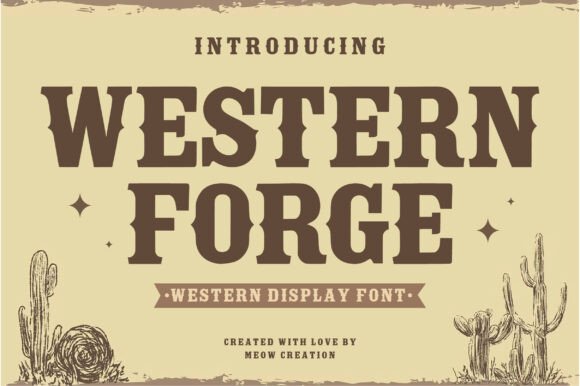
I recently found myself in the middle of a lifestyle blog redesign, and I was on the hunt for a display font that could bring a sense of authenticity and character to the new layout. The project centered around rustic living, outdoor adventures, and vintage aesthetics — themes that demand more than just visual flair; they need a typeface with soul. That’s when I discovered Western Forge, a bold display font inspired by handcrafted western lettering. From the moment I saw it, I knew this font would be a perfect fit for my needs.
Western Forge for Lifestyle Blog Headers and Branding
My blog had grown over the years, but its header always felt a bit flat. I wanted something that echoed the rugged charm of the content — stories about homesteading, farm-to-table cooking, and desert escapes. Western Forge delivered exactly that. Its unique shapes and sturdy forms brought an unmistakable sense of craftsmanship to the design. The slightly irregular strokes and textured edges made it feel like each word was carved by hand, which added a warm, personal touch to the overall branding.
Using Western Forge as the primary header font helped me create a visual rhythm that complemented the blog’s tone. It worked especially well for section titles and pull quotes, where its bold presence commanded attention without overwhelming the reader. The font didn’t shout — it spoke with confidence and simplicity, making it ideal for editorial designers who want to maintain readability while still adding personality to their layouts.
Western Forge in Recipe Ebook Covers and Chapter Titles
A few weeks after updating the blog header, I was working on an ebook cover for a client who specializes in farmhouse-style recipes. The challenge was to evoke a sense of nostalgia and tradition while also standing out in a crowded market. Western Forge was the first font I tried, and it immediately clicked. The title “Seasonal Harvests” looked inviting and grounded, perfectly capturing the essence of slow-cooked meals and time-honored techniques.
For chapter titles, I paired Western Forge with a clean sans serif body font. This contrast gave the ebook a balanced look — the bold display font drew the eye, while the simpler typeface ensured easy reading. I also used Western Forge for decorative accents like sidebars and headings in the printable version, reinforcing the theme throughout the publication.
Why Display Fonts Like Western Forge Work for Ebooks
Display fonts are often misunderstood as being too ornate for serious reading materials, but when used thoughtfully, they can elevate the experience. Western Forge isn’t just a pretty face; it has a strong visual hierarchy that helps guide the reader through the content. Used sparingly for chapter openers or key recipe titles, it adds a layer of storytelling that makes the book feel more personal and curated.
Western Forge for Wedding Guide Layouts and Invitations
I was surprised how versatile Western Forge became when I tested it for a wedding guide project. The font’s handcrafted nature lent itself beautifully to invitations and themed announcements. For a rustic barn wedding guide, I used Western Forge in combination with a soft serif font for the body text. The result was elegant yet earthy, blending the charm of old-west typography with the sophistication needed for event details.
- Font Pairing Tip: Match Western Forge with a refined serif font like Georgia or Lora for printed wedding guides.
- Use Case: Ideal for headers, venue names, and signature lines in both digital and print formats.
- Mood: Conveys sincerity and celebration, fitting for romantic and nostalgic themes.
Readability on Screen and Print with Western Forge
One concern I had before finalizing Western Forge was how it would render on different devices. As a blogger, I know that many readers consume content on mobile screens, and some might even print it out for later. Fortunately, the font is designed with these scenarios in mind. While it’s not suited for long-form body text, it holds up surprisingly well in larger sizes on both screen and paper. The clear structure and generous spacing ensure it remains legible even at smaller sizes, which is crucial for PDF exports and social media graphics.
Western Forge in Newsletter Graphics and Brand Identity
Another project where Western Forge shone was in a newsletter template for a wellness brand promoting desert retreats and mindfulness practices. The brand wanted something memorable but not overly stylized. Western Forge provided the right balance — enough character to stand out, but not so much that it distracted from the message. I used it for the main newsletter graphic heading and a few subheaders to reinforce the brand identity across all communications.
The font’s ability to work within a cohesive visual system is what makes it valuable for publishers and newsletter writers. When combined with muted color palettes and natural textures, it becomes part of the story rather than just a typographic element. This kind of integration is essential for building trust and recognition among readers, especially in niche markets like wellness and outdoor lifestyles.
Building Visual Consistency with Western Forge
Consistency is key in editorial design, and Western Forge helped me achieve that effortlessly. By using the same font across multiple elements — from the main banner to call-out boxes and even button text — the newsletter developed a unified voice. Readers began to associate the bold, confident letterforms with the brand’s mission, creating a stronger emotional connection. This kind of subtle reinforcement is powerful in digital publishing and content marketing.
Western Forge for Digital Magazine Covers and Section Headings
When I was designing the cover for a digital magazine focused on cowboy culture and modern-day rodeo events, Western Forge was the obvious choice. The magazine aimed to celebrate the spirit of the American West, and the font’s handcrafted feel aligned perfectly with the theme. I tested several variations of the font to find the right weight for the headline, and once I did, the rest of the layout fell into place.
Internally, I used lighter weights of Western Forge for secondary headings and pull quotes. This allowed me to maintain the font’s distinctive style while avoiding visual fatigue. It’s important to remember that display fonts like Western Forge should be used strategically — not every word needs to be bold, but the right placement can make all the difference in guiding the reader’s attention.
Typography Tips for Using Western Forge in Magazines
Here’s how I approached using Western Forge in a multi-page publication:
- Cover Headline: Use the boldest weight for maximum impact.
- Section Titles: Opt for a medium weight to keep the page visually organized.
- Pull Quotes: Apply Western Forge in a slightly thinner weight for contrast and emphasis.
- Navigation Elements: Avoid using it in menus or footers; reserve it for editorial highlights.
Western Forge in Printable Planners and Creative Worksheets
I’ve always believed that good design doesn’t have to be flashy to be effective. When crafting a printable planner with a desert-inspired theme, I reached for Western Forge again. It added a sense of adventure and authenticity to the title pages and weekly headers. Unlike many script or handwritten fonts, Western Forge maintains clarity even when printed at high resolution, which is vital for creators selling digital downloads.
What I loved most was how it encouraged users to engage with the planner. The font wasn’t just functional — it felt intentional. Each page seemed like a destination, and that’s what you want from your design assets: to spark interest and participation. Whether it’s a planner for mindfulness or productivity, the right typeface can influence the user’s mindset and interaction.
Choosing the Right Weight for Your Project
Before using Western Forge in any layout, I recommend checking the included weights and styles. Some versions may be better suited for logos or large banners, while others perform well in tighter spaces like sidebars or worksheet headers. I also looked for ligatures and alternates to add variety without cluttering the design. These small touches can help your publication stand out while maintaining a professional look.
Western Forge for Content Creators and Brand Identity Development
As someone who works closely with content brands, I know how important it is to choose a font that reflects your values and vision. Western Forge offers more than just a visual style — it carries a mood and a narrative. If you’re building a brand around outdoor exploration, farmhouse aesthetics, or vintage Americana, this display font is a great way to communicate that story without words.
It’s particularly useful for logo design and website headers. I’ve seen it used effectively in landing pages and product packaging, where it adds a tactile quality to otherwise digital experiences. But don’t let its boldness fool you — Western Forge can also be adapted for subtler uses in creative font pairings and layered design elements.
Commercial Use Considerations with Western Forge
If you plan to use Western Forge in commercial publications, paid newsletters, or digital downloads, be sure to review the font licensing terms. Understanding whether it supports web use, print, or multilingual projects will save you time and legal headaches later. Many display fonts come with restrictions, so knowing what you can and can’t do is essential for any serious designer or publisher.
Western Forge in Course PDFs and Coaching Workbooks
Recently, I helped a fitness coach update her course PDFs and printable worksheets. She wanted them to feel empowering and rooted in a strong, no-nonsense aesthetic. Western Forge fit the bill perfectly. The bold, structured characters gave the titles a commanding presence, while the consistent line weights made the content easy to follow.
By integrating Western Forge into chapter openers and exercise titles, we were able to establish a clear visual hierarchy. Readers could quickly scan the document and identify key sections without feeling lost in a sea of text. This is one of the best things about using a display font — it allows you to create a roadmap for your audience, making your educational materials more accessible and engaging.
Designing for Different Platforms with Western Forge
One thing I learned while testing Western Forge is that it adapts well across platforms. Whether it was on a tablet, desktop, or printed in a workbook, the font maintained its integrity and visual appeal. This adaptability is crucial for digital product creators who want their designs to look sharp everywhere, from social media posts to web design elements and downloadable templates.
Western Forge and the Power of Niche Typography
In today’s saturated content landscape, standing out means being thoughtful about every detail — including your choice of Fonts. Western Forge isn’t a generic option; it’s a premium font with a specific heritage and visual language. That’s why it works so well for niche audiences who appreciate authenticity and storytelling through design.
From wedding guides to digital magazines, this bold display font brings a sense of place and purpose to the page. It’s not just about looking good — it’s about resonating with your readers and creating a publication that feels alive. And for bloggers, authors, and designers who want to build a better reading experience, that’s everything.
So if you’re working on a project that leans into rustic, vintage, or outdoor themes, consider giving Western Forge a try. Let it lead the way in your next editorial layout and see how a well-chosen display font can transform your content into something truly memorable.