Charcoal Crayon Font: A Handwritten Typeface for Editorial Design
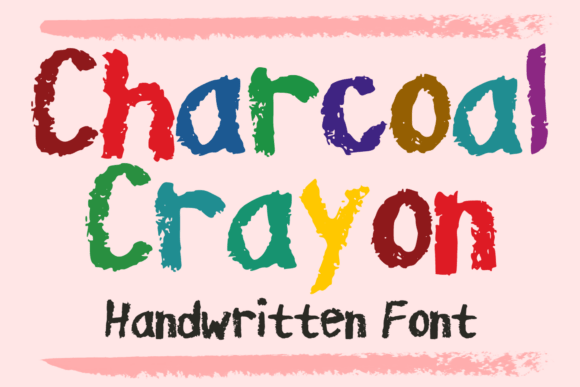
I was recently tasked with redesigning the header of a lifestyle blog that focuses on creative living and seasonal inspiration. The client wanted something fresh, inviting, and slightly whimsical to match their warm, approachable brand voice. After testing several options, I found myself drawn to Charcoal Crayon, a playful yet refined handwritten font that feels like it belongs in your hand as you sketch out ideas or jot down notes. As a display font, it’s not just decorative—it tells a story through its strokes and spacing.
Charcoal Crayon for Lifestyle Blog Headers and Article Titles
In editorial design, the right typeface can set the tone for an entire publication. Charcoal Crayon is one of those fonts that instantly brings a sense of authenticity and charm. Its chalk-like texture gives it a handmade feel without sacrificing legibility when sized appropriately. When I used it for the blog’s main header, it created a strong visual identity that resonated with readers who appreciate organic, human-centric design.
The rhythm of Charcoal Crayon is what makes it stand out. Each letter flows into the next with a casual ease, making it perfect for article titles and pull quotes where you want to catch attention but still maintain readability. It works especially well in digital formats—whether viewed on desktops or mobile devices, the font holds up as long as it’s given enough room to breathe. I paired it with a clean sans serif for body copy, which helped balance its expressive nature while keeping the layout grounded.
Charcoal Crayon in Recipe Ebooks and Wedding Guides
Another recent project involved designing a printable wedding guide for a boutique stationery brand. They were looking for a font that could add warmth to their invitations and event planning templates. Charcoal Crayon fit the bill perfectly. Its subtle irregularities gave the text a personal touch, as if written by someone at the wedding venue itself. For section headings and decorative accents, it added a soft contrast against more structured typography.
Similarly, when creating a recipe ebook, I used Charcoal Crayon for chapter openers and ingredient headers. It lent a friendly, home-cooked vibe to the content, which aligned with the overall aesthetic of the publication. Readers often form emotional connections with the fonts they see, and this one encouraged them to engage more deeply with the material.
Why Charcoal Crayon Is a Great Display Font for Magazine Covers
Charcoal Crayon has a distinct personality that makes it ideal for magazine covers and editorial features. Its playful curves and natural line variation are reminiscent of vintage chalkboards or artist sketches, which adds character without overwhelming the reader. I tested it on a mock-up cover for a seasonal issue and found that it stood out beautifully against minimalist backgrounds, helping to establish the publication’s identity at first glance.
As a display font, it doesn’t need to be overused. In fact, its strength lies in being used strategically—on headlines, subheadings, or pull quotes. This allows it to remain impactful without becoming distracting. It also plays nicely with photography and illustration-based layouts, where a handwritten typeface can enhance the mood and tie elements together cohesively.
Using Charcoal Crayon in Course PDFs and Printable Planners
For course creators and digital product designers, finding a font that supports both creativity and clarity is essential. Charcoal Crayon fits the bill in many scenarios, particularly when used for decorative accents or section headers in course PDFs. It adds a tactile, engaging quality to worksheets and planners that helps break up dense blocks of information.
When building a printable planner, I chose Charcoal Crayon for motivational prompts and weekly goal headers. The font’s informal style made the content feel less rigid and more encouraging. However, I avoided using it for body text or small captions due to its expressive nature. Instead, I reserved it for areas where it could shine—like feature highlights or callout boxes.
Charcoal Crayon and Visual Hierarchy in Newsletter Graphics
One of the most important aspects of editorial design is visual hierarchy. Charcoal Crayon contributes significantly to this by drawing the eye naturally toward key sections. In newsletter graphics, it worked well for headlines and topic dividers. When combined with a secondary sans serif font for navigation and sidebars, the layout felt balanced and easy to follow.
Its contrast in weight and texture helped separate sections without needing heavy borders or colors. This made the newsletter feel modern and dynamic while maintaining a cohesive look across different platforms—email clients, print versions, and web pages alike.
Considerations for Long-Form Content and Commercial Use
While Charcoal Crayon is excellent for short bursts of text, it’s not suited for long-form reading. The variations in stroke width and spacing can make extended passages harder to scan quickly. That said, it shines when used sparingly for titles, subtitles, and decorative elements in longer publications.
If you’re considering using this font commercially—for ebooks, paid newsletters, or printables—make sure to check the licensing details. Some display fonts come with restrictions, and it’s crucial to ensure that Charcoal Crayon aligns with your intended use. Also, explore the included styles and alternates to understand how much flexibility it offers for branding and creative projects.
Font Pairing Suggestions for Editors and Publishers
To get the most out of Charcoal Crayon, pairing it with a readable serif or sans serif font is key. In my blog redesign, I matched it with a light-weighted serif for body text, allowing the handwritten display font to pop without clashing. For more modern layouts, a geometric sans serif can provide a crisp counterpoint to the organic feel of Charcoal Crayon.
- Pair with: Georgia, Lora, or Merriweather for a classic editorial look.
- Or try: Roboto, Open Sans, or Helvetica Neue for a contemporary balance.
These pairings help maintain consistency across your publication while ensuring that the message remains clear and accessible to your audience. The right combination can turn Charcoal Crayon from a fun accent into a core element of your brand identity.
Charcoal Crayon as a Creative Font for Branding and Social Media
Beyond traditional publishing, Charcoal Crayon has found a place in my social media templates and logo explorations. It’s particularly effective for brands targeting younger audiences or those in the arts, wellness, and lifestyle niches. The font feels approachable and genuine, qualities that resonate well in today’s content-driven market.
On Instagram stories and Pinterest pins, the font’s unique texture helped my client’s posts stand out in crowded feeds. Just a few lines of text in Charcoal Crayon were enough to capture attention and communicate the essence of the post. For logo design, it offered a distinctive edge that complemented hand-drawn illustrations and watercolor textures.
However, it’s worth noting that while Charcoal Crayon is expressive and full of character, it may not suit all branding needs. If your brand leans formal or technical, this might not be the best fit. But for those aiming to create a warm, inviting, and creative atmosphere, it’s hard to beat.
Testing Charcoal Crayon Across Platforms and Formats
During my review, I tested Charcoal Crayon in various formats including PDFs, web layouts, and print materials. On screens, it performed well in high-resolution environments, though some users noted that thinner weights required careful sizing to remain legible. In print, the font retained its charm and character, especially when printed on textured paper or used with a matte finish to mimic chalk.
Mobile responsiveness is another consideration. Because of its organic shape, it can sometimes appear uneven on smaller screens. To combat this, I increased the tracking slightly and ensured sufficient contrast between the text and background. These adjustments helped maintain readability and kept the font from feeling cluttered.
Final Takeaways for Editors and Content Creators
Charcoal Crayon isn’t just another pretty font—it’s a versatile tool for editors who want to infuse personality into their designs. Whether you're crafting a digital magazine, a printable planner, or a wedding guide, this handwritten typeface can elevate your work with a sense of spontaneity and warmth.
It’s particularly useful in editorial design where you want to create a specific mood or highlight key content. While it’s not ideal for dense paragraphs or small captions, it excels in headlines, pull quotes, and section headings. And when paired correctly, it becomes part of a thoughtful typographic system rather than a standalone novelty.
For bloggers and publishers who value both function and flair, Charcoal Crayon is a compelling addition to any design toolkit. It bridges the gap between modern typography and classic handwriting, offering a fresh take on how we present content visually. If you're looking to bring a bit of creativity into your next project, consider giving this display font a try—you might find it becomes a staple in your layouts.