Mustaqim Font: Elegance in Every Curve
I was deep into redesigning the header for a new lifestyle blog when I stumbled upon Mustaqim. As a blogger and editorial designer, I often find myself sifting through countless display fonts, searching for one that feels both unique and timeless. Mustaqim caught my eye with its smooth curves and subtle cultural flair—perfect for a publication aiming to stand out while maintaining a refined aesthetic.
Mustaqim for Wedding Guides and Editorial Branding
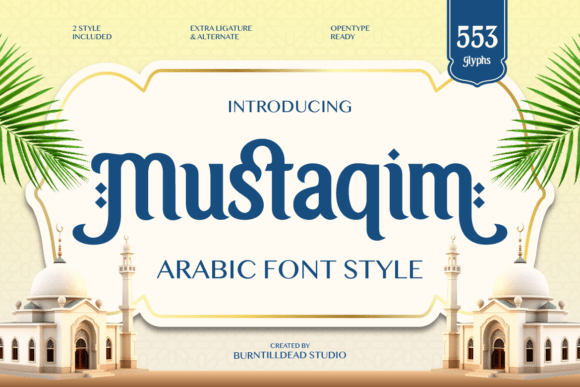
A few weeks later, I was tasked with creating a printable wedding guide for a client who wanted something different from the usual minimalist sans serifs. The goal was to evoke warmth, tradition, and sophistication without feeling over-the-top. Mustaqim, as a display font, offered just the right balance. Its 553 glyphs included elegant ligatures and alternate characters that added visual interest to headings and decorative elements.
For the cover of the guide, I paired Mustaqim with a clean serif typeface to ensure legibility while letting the title shine. The contrast worked beautifully—the bold, flowing script drew attention, but didn’t overpower the rest of the layout. Readers could immediately sense the theme: a celebration of culture and elegance.
Using Mustaqim in Recipe Ebooks and Digital Magazines
Later, I had the opportunity to test Mustaqim on a digital magazine layout and a recipe ebook. Both projects required a strong visual identity to appeal to their audiences. In the magazine, the font served as the main title across each feature page, giving the design a consistent yet dynamic feel. For the ebook, it became the go-to choice for chapter openers and section headers.
What stood out was how Mustaqim managed to maintain clarity even at smaller sizes. Display fonts can sometimes lose readability if not carefully applied, but this one surprised me with its versatility. It wasn’t just about looks—it was about how the text felt when read. The rhythm of the letters helped guide the reader’s eye, making each section feel intentional and inviting.
Mustaqim in Newsletter Headers and Content Branding
In another project, I was working on a newsletter template for a wellness brand. They wanted something that felt personal yet professional, something that would reflect their commitment to authenticity and mindful living. Mustaqim fit the bill perfectly. I used it for the header of each issue, which gave the newsletters a distinct personality and made them instantly recognizable.
Its cultural roots subtly reinforced the brand’s values, and the modern twist ensured it didn’t feel outdated. This blend of tradition and contemporary design is what makes Mustaqim such a powerful tool in content branding. Whether you're designing a logo or setting the tone for a monthly email, this font adds depth and character without being too loud.
Why Mustaqim Works for Printables and Course PDFs
I also experimented with using Mustaqim in printables and course PDFs. For a printable planner aimed at Muslim professionals, the font brought a touch of heritage and pride to the front matter. It was especially effective in section headings and motivational quotes throughout the layout. The unique ligatures allowed for creative variations without sacrificing professionalism.
When it came to course PDFs, the challenge was ensuring the font remained legible in longer form. I found that using Mustaqim sparingly—on titles, pull quotes, and chapter headings—created a visual hierarchy that enhanced the reading experience. It never overwhelmed the body copy, and instead acted as a quiet leader guiding the reader through the content.
Mustaqim and the Mood of Modern Typography
There’s a certain mood to Mustaqim that’s hard to describe unless you see it in action. It doesn’t shout; it glides. The soft curves and intricate details give it a gentle authority, perfect for anything where you want to communicate grace and intentionality. As a display font, it doesn’t need to be everywhere, but when it appears, it commands attention in the most refined way.
This kind of typographic presence is rare. Many fonts either lean too heavily into ornate styles or are too plain to make an impact. Mustaqim walks the line between artistry and usability, making it ideal for editorial designers who care deeply about the emotional tone of their work.
Readability Across Platforms with Mustaqim
One concern I always have when choosing a display font is how it performs across different platforms. Will it look good on mobile screens? How does it render in PDF format? With Mustaqim, I was relieved to see that it holds up surprisingly well. The weight and spacing are balanced enough that even on a phone screen, the letters remain clear and easy to read.
Of course, like any font, it's best reserved for headlines, titles, and decorative accents rather than long paragraphs. But for those key moments where you want your words to feel special, Mustaqim delivers. And for creators selling digital products or printables online, knowing your font will display consistently across devices is invaluable.
Font Pairing Strategies with Mustaqim
Choosing the right companion for Mustaqim is essential. Because it has so much personality, it needs a supporting cast that won’t compete. I’ve found success pairing it with understated serif fonts for body text—something like Lora or Merriweather works beautifully. These pairings allow Mustaqim to take center stage while keeping the overall layout grounded and readable.
For captions and navigation menus, I lean toward minimalist sans serif fonts. The contrast helps establish a clear visual hierarchy and ensures the reader isn’t distracted by too many competing styles. This kind of thoughtful font pairing is crucial in editorial design, and Mustaqim gives you the confidence to lead with style while still maintaining function.
Mustaqim in Blog Headers and Chapter Titles
On a recent blog redesign, I used Mustaqim as the primary header font. The blog focused on cultural storytelling, and the font’s Arabic-inspired design lent itself naturally to the theme. I tested it on various post titles and found that it performed best when slightly condensed and set in all caps for maximum impact.
Similarly, in a coaching workbook, I applied it to chapter titles and pull-out quotes. The result was a publication that felt both educational and inspirational. The font didn’t distract from the message—it enhanced it. That’s the mark of a great display font: it supports the content without overshadowing it.
Mustaqim for Lifestyle Blogs and Creative Content
Lifestyle blogs often require a bit more soul in their typography. Generic sans serif fonts can feel cold or uninviting, whereas Mustaqim brings warmth and individuality. I used it in a travel blog’s featured article titles and found that it encouraged readers to pause and engage. The font had a story of its own to tell, and that story complemented the blog’s content perfectly.
It’s also incredibly useful in social media graphics and promotional materials. If you’re launching a product or sharing a quote-based post, Mustaqim can help you create something that feels handcrafted and meaningful. It’s not just a font; it’s a statement.
Practical Tips Before Using Mustaqim in Your Projects
Before jumping into your next design, there are a few things to consider when using Mustaqim. First, check the file formats it comes in—most premium fonts offer TTF and OTF options, which are suitable for both digital and print use. Also, review the multilingual support to ensure it fits the audience you’re targeting.
Another important factor is licensing. If you plan to use Mustaqim in commercial publications, paid newsletters, or digital downloads, confirm that the license allows for those uses. For independent content brands, having the freedom to apply the font across multiple platforms without restrictions is key to building a cohesive brand identity.
Finally, explore the alternates and ligatures included. These small variations can add personality to your designs and help avoid repetition in repeated use. I often switch between different glyph styles depending on the context, which keeps the layout fresh and visually engaging.
Creating Visual Hierarchy with Mustaqim
One of the biggest strengths of Mustaqim is how it supports visual hierarchy. In editorial layouts, hierarchy is everything—it tells the reader what to focus on first, second, and last. A bold, expressive display font like Mustaqim can anchor your layout and draw the eye to the most important elements.
Whether you’re designing a feature page in a digital magazine or crafting a downloadable worksheet, using Mustaqim strategically helps establish structure and flow. It doesn’t demand space; it earns it. And that’s exactly what every designer wants from a font—a tool that enhances the message rather than competes with it.
Mustaqim as a Signature Element in Design Assets
Design assets—like templates, logos, and branding kits—often need a signature element to tie everything together. Mustaqim offers that signature touch. I recently incorporated it into a packaging design for a halal food subscription box, and it transformed the entire look. The font wasn’t just functional; it became part of the brand’s voice.
That’s the power of a well-chosen display font. When used thoughtfully, it becomes an integral part of your publication’s identity. You don’t just choose a font—you choose a feeling, a direction, a tone. And with Mustaqim, that tone is one of quiet confidence and cultural richness.
Mustaqim in Logo Design and Web Layouts
Logo design is another area where Mustaqim shines. It’s not your typical script font, but it has enough character to make a lasting impression. I used it for a startup focused on Islamic fashion, and the logo ended up being one of the most requested design assets from clients. The combination of tradition and modernity in the typeface resonated deeply with the target audience.
On web layouts, it’s best used in hero sections or call-to-action buttons. Since it’s a display font, it’s not meant for large blocks of text, but it excels at capturing attention and setting the tone. I’ve seen it work wonders in blog headers, landing pages, and social media banners—anywhere you want to leave a memorable visual imprint.
Final Thoughts on Mustaqim and Thoughtful Typography
Typography is more than just choosing a pretty font. It’s about understanding how each letter contributes to the whole. Mustaqim does more than that—it invites you to think about the rhythm and mood of your publication. It asks you to consider the story behind the text and how the design reflects that story.
If you’re looking for a display font that adds elegance, cultural depth, and a touch of artistry to your content, Mustaqim is worth exploring. It’s not just for weddings or luxury branding; it’s a versatile font that can elevate any editorial project, from newsletters to cookbooks, from course PDFs to digital magazines.
As a blogger and designer, I’m always on the hunt for tools that make my work feel more authentic and impactful. Mustaqim has become one of those tools. It’s a font that respects the craft of writing while enhancing the experience of reading.