Graffiti Giggle Font for Bold Web Design
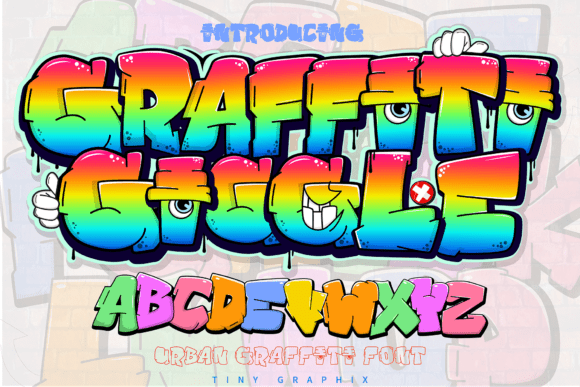
I was deep into the redesign of a boutique online store, and I needed something fresh to pop in their hero section. The brand was all about urban fashion and self-expression—so when I stumbled upon Graffiti Giggle, I knew it had potential. As a display font, it immediately stood out with its vibrant energy and playful street vibes. This isn’t just any graffiti typeface; it’s a bold, colorful statement that can elevate your digital layout without overwhelming it.
Using Graffiti Giggle in a Product Landing Page Hero Section
The first place I dropped Graffiti Giggle was in the main headline of the landing page. The goal was to create an instant emotional connection with the audience. With this font, the word “Streetwear” became more than text—it felt alive. Its irregular shapes and dynamic strokes gave the design a sense of movement, which is perfect for high-impact headers. I made sure to test how it looked on both desktop and mobile screens. Even at smaller sizes, the font retained enough clarity to be legible while still delivering the right amount of edgy flair.
One thing I noticed early on was how well it worked over image banners. When layered over a gritty cityscape photo, the contrast between the background and the bright, stylized letters helped the title stand out. It didn’t get lost in the visuals, which is crucial for maintaining visual hierarchy and guiding the user’s eye toward the key message.
When Graffiti Giggle Works Best: Logo Text and Decorative Accents
In another part of the project, I used Graffiti Giggle as the primary logo font. The client wanted something unconventional but still professional enough to build trust. While the font itself is expressive and energetic, I found that using it sparingly for the brand name added personality without sacrificing credibility. I paired it with a clean sans serif for subheadings and body copy, which balanced the overall look and kept the site from feeling too chaotic.
For decorative accents like taglines or promotional blurbs, the font really shined. Phrases like “Express Yourself” or “Urban Vibes Only” took on a whole new meaning with the right typography. These short phrases are ideal for Graffiti Giggle because they allow the font’s character to shine without making readers work too hard to decipher the message.
Testing Graffiti Giggle for Brand Consistency in Digital Assets
As I moved through the website redesign, I started applying Graffiti Giggle to other branded content like social media graphics and email headers. It brought a cohesive yet exciting feel across platforms. However, I also made sure to check what file formats were included. For web use, having WOFF and TTF options was essential for compatibility and performance. Plus, seeing multiple alternates and weights gave me flexibility in creating variations for different sections of the site.
One challenge was ensuring consistency. Because this is a display font, it doesn’t scale well for long paragraphs or dense UI elements like buttons. I stuck to using it for large headers and short bursts of text where visual impact mattered most. That way, I could maintain brand identity without risking readability or usability.
How Graffiti Giggle Impacts User Engagement and Scanning Behavior
Typography plays a big role in how users interact with a site. In my experience, people tend to scan rather than read everything. Graffiti Giggle helped me design scannable headlines by being highly distinctive and easy to spot. When placed in a call-to-action area, it caught attention and encouraged clicks—especially when paired with contrasting colors and ample white space.
On dark backgrounds, the font’s boldness and color depth really came through. But I learned that using it on light or minimalist designs required careful consideration of stroke weight and spacing. Too much overlap or compression could make it look cluttered. A few tweaks to letter spacing and line height made a world of difference in keeping the design polished and accessible.
Font Pairing Tips for Using Graffiti Giggle in Modern Typography
Pairing a fun Display font like Graffiti Giggle with simpler, more readable fonts is key to good typography. I chose a sleek sans serif for body text to keep the interface grounded. The result was a layout that felt creative and modern without becoming distracting. Another option I considered was pairing it with a soft handwritten font for a blog header or course sales page—adding a human touch to an otherwise bold presentation.
It’s important to remember that Fonts should support the message, not overshadow it. So when using Graffiti Giggle, I always made sure the supporting typefaces were neutral and professional. This approach ensured the design remained functional while still feeling unique and memorable.
Real Use Cases: Boutique Store Headers and Creative Portfolios
I’ve used Graffiti Giggle in a few different projects since then. One standout example was a creative portfolio site for a mural artist. The hero section featured the artist’s name in Graffiti Giggle, and it immediately set the tone for the rest of the site. Visitors knew they were looking at someone who embraced the streets and art in equal measure.
Another time, I applied it to a boutique store selling vintage sneakers. The homepage banner read “Step Into the Streets,” styled in Graffiti Giggle. It wasn’t just visually engaging—it also aligned perfectly with the brand’s voice. The font helped communicate authenticity and style, which are vital for niche audiences who value those traits.
Readability Considerations for Mobile and Responsive Layouts
Mobile responsiveness is non-negotiable in today’s design landscape. I tested Graffiti Giggle across various breakpoints and screen sizes. On larger monitors, it was powerful and eye-catching. But on phones, I had to adjust the size and contrast carefully. The font works best at 24px or larger, especially when using it over images or in CTA areas. Smaller instances might lose definition, so I avoided placing it on tiny buttons or labels.
I also experimented with how it responded to different background textures and gradients. While it thrived on solid or semi-transparent layers, it struggled slightly with very busy or low-contrast environments. My solution was to add subtle drop shadows or outlines to help it cut through the noise without compromising the design’s aesthetic.
Commercial Projects and Licensing Notes
If you’re considering using Graffiti Giggle for a commercial project—like an online shop, SaaS branding, or a course sales page—make sure to review the licensing details. Some fonts come with restrictions, but Graffiti Giggle offered clear terms for web use, including webfont availability. That meant I could implement it easily in CSS without worrying about legal issues or bloated file sizes affecting load times.
I also checked if it supported multilingual characters, which is important if your site targets international users. Fortunately, the font had decent coverage, allowing me to confidently include it in a global campaign landing page I was working on.
Graffiti Giggle for Editorial and Branded Content
While Graffiti Giggle is primarily a Display font, I found it surprisingly versatile for editorial-style layouts. For instance, I used it as a section heading on a coaching website’s blog redesign. The playful nature of the font added a refreshing twist to an otherwise structured layout. Readers commented on how it made the content feel more engaging and less formal.
Still, I wouldn’t recommend using it for entire paragraphs or long-form reading. Its character is more suited for headlines, titles, and brand slogans. That said, when you need to break up monotony or highlight a specific point, Graffiti Giggle can be a great tool to draw attention and spark interest.
Fast-Loading Visual Content and Performance
Speed is critical in digital design. I optimized the use of Graffiti Giggle by limiting it to only the necessary elements. Since it’s a premium font, I made sure the webfont files were compressed and loaded asynchronously. I also implemented font loading strategies like `font-display: swap` to prevent layout shifts and ensure a smooth user experience.
By focusing on key visual assets—like hero sections and logo placements—I minimized the number of requests and kept the site snappy. It’s a balance between aesthetics and performance, and Graffiti Giggle allowed me to strike that just right.
Designing with Purpose: Why Graffiti Giggle Fits Certain Brands
Not every brand needs a bold Font like Graffiti Giggle. It’s ideal for businesses that want to express creativity, rebellion, or a strong visual presence. Think lifestyle brands, music festivals, youth-oriented campaigns, or any project aiming to stand out in a crowded market. If your brand speaks to a younger, trend-focused audience, this font will resonate.
I once used it on a campaign landing page for a streetwear launch, and the feedback was overwhelmingly positive. Users felt the font captured the essence of the product and the community around it. That kind of alignment between typography and brand messaging is exactly why Fonts matter in digital design.
Practical Advice for Choosing Graffiti Giggle in Your Project
Before committing to Graffiti Giggle, I suggest testing it in real layouts. See how it performs in your chosen platform—whether it’s Squarespace, WordPress, or a custom React app. Check if it supports your target languages and if it pairs well with your existing design system.
Also consider the mood you want to convey. Is your brand serious, playful, or somewhere in between? Graffiti Giggle leans heavily into the fun side, so it might not be the best fit for corporate or luxury sites. But for startups, creatives, and lifestyle brands, it can be a game-changer.
Final Implementation: A Cohesive Display Font Strategy
In the end, I integrated Graffiti Giggle into three key areas of the project: the logo, hero headlines, and decorative callouts. Each instance served a clear purpose and contributed to a stronger brand identity. The font didn’t distract from functionality but instead enhanced the storytelling aspect of the design.
What I love most about this Display font is how it allows creativity without requiring a complete overhaul of your design process. You don’t have to abandon structure or readability to make your site stand out. Just apply Graffiti Giggle thoughtfully, and let it do the talking where it matters most.
Bringing Urban Energy to Your Next Website
So whether you’re building a digital brand kit for a small business, designing a portfolio site that screams personality, or crafting a landing page that demands attention, Graffiti Giggle is worth exploring. It’s not just a font—it’s a design element that helps your brand connect emotionally with your audience. And in the world of Fonts, that kind of impact is invaluable.