Garpit Font: A Playful Display Typeface for Digital Branding
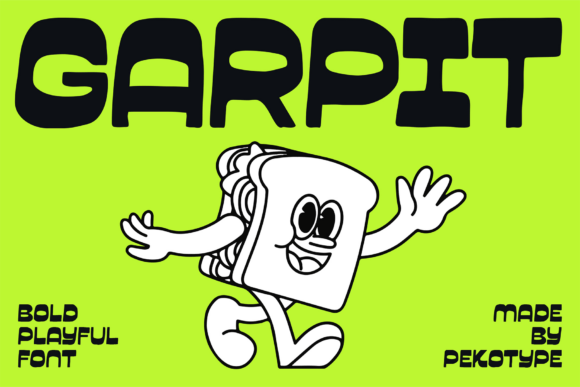
I was deep into a redesign project for a boutique online store, and the client wanted something bold yet approachable. I had tried a few modern sans serifs and some classic display fonts, but nothing quite clicked. Then I stumbled across Garpit, an all-caps, reverse-contrast display font. Its quirky curves and chunky shapes stood out instantly on my screen. I knew right away it could be the perfect fit.
Garpit in Website Headers and Hero Sections
As a web designer, I know how important it is to make a strong first impression. That’s where headers and hero sections come in — they’re the digital storefront of any site. For this particular project, I used GARPIT in the main headline of the homepage. The result? A unique visual voice that felt both professional and fun. It wasn’t too wild, which helped maintain brand trust, but it definitely added personality.
The reverse-contrast design of Garpit made it pop against clean backgrounds, especially when paired with minimalist body text. I tested it at 60px on desktop and 48px on mobile, and while it held up well, I made sure there was enough white space around it so users could scan easily without feeling overwhelmed. Using a playful typeface like this one can elevate your Fonts game if you balance it properly.
Using Garpit for Product Landing Pages and Call-to-Action Buttons
Landing pages are high-stakes territory. Every word has to work hard, and the typography must guide attention efficiently. I decided to test Garpit as the headline for a new product launch page. The title read “LAUNCHING SOON” and it immediately caught the eye in a way that no standard display font did before. The boldness and organic feel gave the message energy and urgency.
For CTA buttons, I initially considered using Garpit due to its impact. But after testing it at smaller sizes, I realized it might not perform well on mobile screens. So I reserved it for large headers and instead used a condensed sans serif for the button text. This taught me that while Garpit is great for attention-grabbing headlines, it's not always ideal for small interactive elements. Pairing it smartly helps maintain usability and clarity.
Real Case Example: Boutique Online Store Redesign
In the case of the boutique store, we were aiming for a youthful and creative vibe. Garpit became the centerpiece of their branding toolkit. Used in section headings and promotional banners, it brought a sense of warmth and authenticity that matched their handcrafted product line. The font’s quirks added just the right amount of charm without veering into clutter.
I made sure to check the file formats and webfont availability before finalizing. Since Garpit is a display font, it’s best suited for larger text areas rather than dense paragraphs. The multilingual support was also crucial here, as the store planned to expand into European markets soon. Nothing worse than a beautiful Fonts choice breaking in another language.
Testing Garpit Over Image Banners
Another key moment in the project came when I layered Garpit over image-based banners. These visuals often get lost in generic fonts, but with Garpit’s distinct shape, the text remained legible and visually engaging even on complex backgrounds. I used a semi-transparent overlay with a soft drop shadow to ensure contrast, and the font’s organic structure helped it flow naturally with the imagery.
This kind of use case is common in e-commerce or course sales pages where imagery plays a big role. If you're working on a Fonts selection for such layouts, consider how the characters interact with shadows, gradients, and overlays. Garpit handles these treatments surprisingly well, making it a solid pick for dynamic, image-driven designs.
Designing a Creative Portfolio with Garpit
Later, I worked with a freelance designer who needed a fresh portfolio site. We wanted something memorable and modern, not too corporate. Garpit was the obvious choice for the hero title — it conveyed creativity and confidence. But again, I didn’t use it everywhere. Instead, I paired it with a clean sans serif for descriptions and biographical info, creating a contrast that emphasized the designer’s unique style.
This combination worked because Garpit anchors the brand identity with a strong visual statement, while the supporting Fonts keep things readable and accessible. When choosing Fonts for your own portfolio or client site, remember that a single display typeface shouldn’t carry the whole design — let it shine where it matters most.
Garpit and Visual Hierarchy in Digital Brand Kits
When building a digital brand kit, consistency is everything. I found myself using Garpit selectively in brand assets like social media headers and email campaigns. It helped reinforce the brand’s playful tone without being overused. In the brand kit, I documented how Garpit should only appear in primary headers and taglines, ensuring that other Fonts supported the overall hierarchy.
What stood out was how Garpit could create a clear distinction between brand messaging and functional content. Users scanned the headers faster and stayed longer in the sections with more traditional typography. This subtle push-and-pull is what makes thoughtful Fonts choices powerful in UX design.
Readability Tips for Mobile Layouts with Garpit
One thing I learned early on is that not all Fonts translate well to mobile. Garpit’s all-caps nature and quirky curves can sometimes feel cramped on smaller screens. To counter this, I increased the line height slightly and avoided placing long phrases in the font. Short, punchy titles — like “NEW ARRIVALS” or “JOIN THE COMMUNITY” — worked best.
- Use Garpit for short headlines and section titles only.
- Ensure sufficient contrast against background colors or images.
- Test at minimum 36px on mobile for readability.
- Avoid using Garpit for paragraph text or form labels.
These adjustments helped keep the design modern and mobile-friendly. As a UI designer, balancing aesthetics and accessibility is a constant challenge, and Garpit proved to be a rewarding part of that process.
Font Pairing Strategies with Garpit
Picking the right Fonts pairing is half the battle. For Garpit, I recommend going with a neutral sans serif like Helvetica Neue or Inter for body copy. The simplicity of those Fonts allows Garpit to take center stage without clashing.
On more editorial projects, like a blog header or course landing page, I’ve seen success by combining Garpit with a sleek serif font for subheadings. This adds a touch of sophistication and helps break up the visual tension created by the bold display Fonts.
Remember, the goal is to create a harmonious brand experience. Use Garpit sparingly but strategically — it’s a character-driven typeface, not a background filler.
Evaluating Garpit for Logo Design and Decorative Accents
I also experimented with using Garpit in logo design mockups. While it’s not a typical logo font, its uniqueness made it a standout option for brands looking to stand apart from competitors. The reverse-contrast letterforms gave the logos a contemporary edge that resonated with younger audiences.
Additionally, I used it for decorative accents in website footers and sidebars. Phrases like “THANK YOU FOR VISITING” or “STAY IN TOUCH” looked lively and inviting. Just be careful not to overdo it — too much of a good thing can hurt the user experience.
Commercial Font Licensing and File Formats
Before moving forward with any client project, I always double-check the licensing details. Garpit is a commercial font, so confirming whether the license covers web use, app development, or print materials is essential. On this latest project, the client needed full webfont access, and the provider offered WOFF and TTF formats, which integrate smoothly into CSS.
Also, look for alternates or stylistic variations. Some display Fonts include ligatures or alternate characters that can enhance the design further. Garpit doesn’t have many, but what it does offer is consistent and easy to implement across platforms.
Final Takeaways from Testing Garpit in Real Projects
After several iterations and real-world tests, I can confidently say Garpit is a versatile display font that works well in specific contexts. It’s not for every project, but for those needing a strong, organic visual presence — think boutique stores, creative portfolios, or campaign landing pages — it delivers exactly that.
Its all-caps format and quirky curves make it ideal for headlines and promotional banners. Just be mindful of how it affects scanning behavior and don’t force it into places where legibility is king. Let it do what it does best — add flair and grab attention — and pair it with more functional Fonts to maintain balance.
If you’re designing a site that needs to feel bold and playful without sacrificing professionalism, give Garpit a try. It’s a Fonts choice that speaks volumes about your attention to detail and understanding of display typography in modern web design.