Block Retro Font for a Bold Brand Makeover
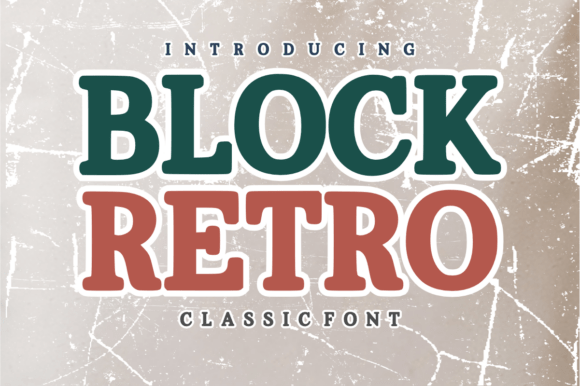
I remember the day I redesigned my bakery’s packaging like it was yesterday. We had grown so much that our logo and labels just didn’t feel up to par anymore. Everything looked rushed — not unprofessional, but definitely not memorable. As I sat at my kitchen table sketching out new ideas, I realized the key to making our brand stand out wasn’t in the colors or shapes, but in the typography. That’s when I discovered Block Retro, a classic display font with thick, rounded strokes that scream mid-century charm. It wasn’t just a font; it was the missing piece of our brand identity.
Block Retro for Bakery Packaging and Mid-Century Vibes
When I first saw Block Retro, I knew it was perfect for something like a bakery label. The boldness of the typeface made it instantly noticeable, and the warm, vintage curves gave it personality. Unlike some fonts that feel too serious or modern, Block Retro brought a nostalgic yet stylish flair that matched our cozy, artisanal vibe. I used it on our cookie boxes and pastries tags, and the response from customers was immediate. People were stopping to read the labels more carefully, and several even mentioned how it reminded them of their childhoods. That’s the kind of connection you want in branding — subtle, emotional, and unforgettable.
Why Block Retro Works for Product Labels
- High contrast strokes make it pop on bright backgrounds.
- The rounded edges add approachability without sacrificing professionalism.
- It reads well in both large and small sizes, which is crucial for product tags and packaging.
Before using Block Retro, our labels felt generic. Now they tell a story. That’s what a good display font can do — transform your brand into something people want to engage with.
Using Block Retro for Café Menus and Display Typography
A few months after updating our bakery packaging, I got a call from a local café owner who’d seen our design and wanted help with their menu. They were struggling with readability and consistency across their signage and printed materials. We started by replacing their jumbled mix of fonts with Block Retro as the main headline typeface. Its thick, confident letterforms helped the menu titles stand out, especially when paired with a clean sans serif for body text.
They also used it for their takeout bags and window posters. The result? A cohesive look that felt intentional and inviting. Customers commented on how easy it was to read the menu, and the retro feel added a touch of warmth to their space. Choosing the right Fonts for your Display elements really does matter — it affects everything from how quickly someone finds what they want to how trustworthy your brand feels.
Design Tips for Using Block Retro on Menus
- Use it for headlines and section titles to create visual hierarchy.
- Keep pricing and descriptions in a simpler sans serif font for legibility.
- Make sure the color contrast between the Block Retro text and background is strong enough for readability, especially on mobile screens.
Block Retro in Social Media Graphics for Beauty Brands
Another business that caught my attention was a beauty brand working on Instagram posts. Their visuals were great, but the text always looked off — either too thin or too cluttered. When we tried Block Retro on their product highlights and promotional banners, the difference was night and day. The font added a sense of confidence and elegance, fitting perfectly with their vintage-inspired aesthetic. It became the go-to choice for all their digital ads and website banners, helping them build a stronger, more consistent brand identity.
What makes Block Retro work so well for social media graphics? It’s the balance between being bold enough to draw attention and soft enough to remain friendly. You don’t need to overdesign anything — just apply this typeface thoughtfully and watch your content become more engaging.
How Block Retro Boosts Engagement Online
- Its retro style appeals to audiences who love vintage aesthetics.
- The bold weight ensures visibility in thumbnails and stories.
- It looks equally stunning in print and digital formats — ideal for brand consistency.
If you’re looking to elevate your social media presence, choosing the right Fonts can be the easiest way to start. And Block Retro fits the bill perfectly for many businesses trying to carve out a unique niche online.
Block Retro for Stickers and Merchandise Design
Have you ever noticed how some stickers just grab your attention more than others? It’s usually because of the font. I worked with a handmade candle seller who wanted to add a bit of character to her product stickers and gift tags. She had been using a basic sans serif, which didn’t match the hand-poured, artisan quality of her candles. After switching to Block Retro, the stickers felt like part of the product itself — charming, timeless, and full of personality.
This display font works particularly well for short phrases and decorative accents. It adds a touch of nostalgia that customers love, especially when paired with muted tones and natural textures. For businesses selling physical products, typography can be the final detail that ties everything together — and Block Retro nails that every time.
Readability Hacks for Small Business Materials
- Test Block Retro at different sizes before printing, especially for small labels or stickers.
- Ensure your design assets have proper spacing and leading so the Fonts don’t feel cramped.
- Check if the font supports your language characters — it’s an easy step that avoids last-minute headaches.
Even though Block Retro has a strong visual presence, it doesn’t sacrifice clarity. This is important when designing for real-world use — whether it’s a sticker on a candle jar or a thank-you card tucked into a package.
Block Retro in Logo Design for Boutique Businesses
I once helped a boutique owner redesign her logo and store signage. She wanted something that felt authentic and reflected the history of the shop, which had been passed down through generations. After testing several Fonts, she settled on Block Retro for its bold, confident structure and vintage warmth. The logo now feels like a tribute to the past while still looking fresh and current.
Choosing a typeface for your logo isn’t just about looking good — it’s about feeling right. Block Retro gives that sense of heritage and craftsmanship, which is exactly what many boutique brands are going for these days. It’s not just a display font, it’s a statement.
Key Considerations Before Licensing Block Retro
- Review the licensing terms to ensure it’s allowed for commercial use on your products and websites.
- Look for variations like weights or alternates to give your designs more flexibility.
- Confirm it includes support for any special characters you might need in your branding.
Investing in a premium font like Block Retro can seem daunting at first, but when you consider how much it enhances your brand visuals, it’s worth it. And with clear licensing, you can confidently use it across all your marketing and design materials.
Pairing Block Retro with Other Fonts for Balanced Branding
One thing I learned early on is that a single font won’t carry your entire brand. Even though Block Retro is a strong standalone typeface, pairing it with complementary Fonts can create a more dynamic look. For example, when I used it alongside a minimalist sans serif for a skincare brand, the combination felt both luxurious and modern. The Block Retro headlines drew the eye, while the supporting text stayed clean and easy to read.
Here are a few simple font pairing ideas:
- Block Retro + Clean Sans Serif (for menus, labels, or website headers)
- Block Retro + Elegant Script (for event invitations or luxury branding)
- Block Retro + Modern Handwritten Style (for creative shops or personal touches)
Experimenting with typography combinations can breathe life into your designs. Just keep the overall mood consistent — and let Block Retro lead the way.
Creating Consistent Branding with Block Retro Across Platforms
As a small business owner myself, I know how hard it is to maintain a consistent look across all platforms — from your website to your packaging, from Instagram to printed flyers. That’s why I’ve come to rely on Block Retro as a core element of my brand identity. It helps unify our messaging without feeling repetitive. Whether it’s a tagline on a flyer or a call-to-action button on our site, the same font ties everything together in a way that feels deliberate and professional.
Using one display font consistently across your Fonts library allows customers to recognize your brand faster. Think of it like a signature — the more familiar it becomes, the more trust you build.
Pro Tips for Maintaining Visual Consistency
- Stick to one primary typeface like Block Retro and a few secondary ones for variety.
- Use the same color and size for headlines across all platforms to strengthen recognition.
- Create templates in Canva or Adobe to ensure your Fonts are always used correctly.
Consistency in typography builds a trustworthy brand image, and Block Retro is the kind of font that can anchor your entire design system.
Block Retro for Digital Ads and Website Banners
Digital advertising can get really busy — lots of images, animations, and text. But when you choose a font like Block Retro, it can cut through the noise. I used it recently on a client’s landing page banner, and it immediately stood out against the background photo. The thickness of the strokes made it legible on mobile, and the vintage tone aligned with the brand’s storytelling approach. It’s a great reminder that sometimes, the smallest change — like picking a better display font — can make a big impact.
For online shops, using Fonts that reflect your brand’s personality is essential. Block Retro brings a bold, confident energy that works especially well for headlines and calls to action. It’s not just for print — it shines in the digital world too.
Font Best Practices for Web and Ads
- Use Block Retro sparingly in long paragraphs — save it for impactful headlines.
- Optimize file formats (like WOFF or TTF) for fast loading on web pages.
- Make sure your ad copy uses the same font styling to avoid confusion.
In the world of online selling, where attention spans are short and competition is fierce, a strong typeface can mean the difference between being overlooked and remembered.
Block Retro for Thank-You Cards and Personal Touches
Let me tell you about a client who sells handmade soap. She wanted to send personalized thank-you cards with each order, but the default fonts just didn’t feel right. After trying a few options, we landed on Block Retro for the greeting line. It added a warm, heartfelt tone without being too formal. Customers said the cards felt like a little gift in themselves — proof that thoughtful details really matter.
For small businesses, using Fonts that reflect your values and personality can turn simple items like thank-you notes into meaningful brand experiences. Block Retro is versatile enough to work in both digital and print formats, making it perfect for customer-facing materials.
Small Business Typography Wins
- Customers often associate handwritten or vintage-style Fonts with authenticity.
- Thick-stroke typefaces like Block Retro look great on textured paper or specialty envelopes.
- Always preview your text layout before sending out physical mailings — alignment and spacing count!
Typography is more than just letters on a page. It’s about how those letters make your audience feel. With Block Retro, you’re not just choosing a display font — you’re choosing a brand voice.
Final Thoughts: Why Block Retro Belongs in Your Design Toolkit
Over the years, I’ve seen how the right font can transform a business’s visual appeal. Block Retro has become a favorite among entrepreneurs who want to infuse a bit of vintage charm into their branding without losing modern functionality. It’s not just another Fonts option — it’s a strategic choice that helps your brand feel more polished, consistent, and memorable.
If you’re ready to upgrade your design game, I highly recommend giving Block Retro a try. Whether it’s for a logo, a label, a menu, or a digital ad, this display typeface brings a timeless confidence that sets your brand apart.