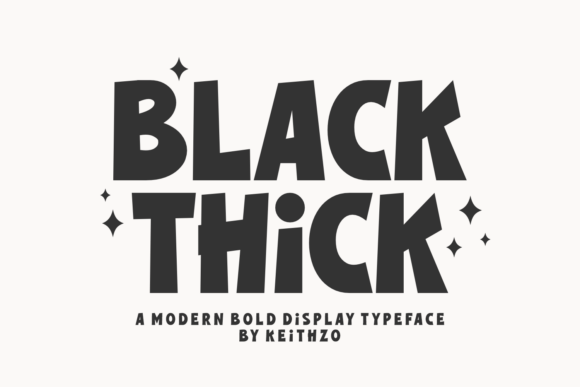
Black Thick Font: A Bold Display Typeface for Modern Designers
I was knee-deep in redesigning a digital lifestyle magazine layout when I stumbled upon Black Thick. The goal was to create something fresh yet approachable — something that felt both confident and inviting. As I sifted through display fonts, the one that caught my eye wasn’t just bold; it had a rhythm, a presence. Black Thick, as described, is a “playful yet potent modern bold display typeface that radiates sheer magnetism.” That line alone made me pause. In editorial design, especially for content like digital magazines or newsletters, having a font that commands attention without overwhelming the reader is rare.
Black Thick for Lifestyle Blog Headers and Article Titles
Lifestyle blogs often rely on strong visual cues to draw readers in. I needed a header font that would stand out on mobile screens but still feel part of a cohesive brand identity. Black Thick fit perfectly. Its robust, rounded letterforms give it a friendly energy while maintaining a sense of authority. It’s not aggressive, but it’s definitely not shy either. When used in blog headers or article titles, it adds a touch of modernity and warmth that feels just right for audiences looking for inspiration, comfort, and clarity.
One thing I love about Black Thick is its subtly narrowed structure. This gives it a bit more elegance than some other bold display fonts, which can come off as too chunky or heavy. It strikes a balance between playfulness and professionalism, making it ideal for platforms where personality and readability must coexist. Whether you're crafting a wellness blog or a travel publication, this font helps your message land with impact.
Using Black Thick in Wedding Guide Covers and Branding
A few weeks later, I was working on a printable wedding guide. The client wanted something that exuded confidence and charm — two qualities Black Thick delivers effortlessly. For covers and chapter openers, the font's boldness makes it a standout choice. The subtle narrowing of each character allows it to sit well within a page layout, even when paired with intricate illustrations or photography.
In branding contexts, Black Thick works wonders. Its magnetism is perfect for logos, promotional materials, and social media posts. If you're designing a brand for a boutique wedding planner or a luxury lifestyle service, this font can be the anchor that ties everything together. Just make sure to check the included styles and commercial font licensing if you're using it in client work or paid publications.
Font Pairing Tips for Editorial Use
Display fonts are powerful, but they need a partner for body text. With Black Thick, I found myself gravitating toward clean sans serif fonts for captions and navigation. Something like Helvetica Neue or Inter complements it well by providing contrast and ensuring legibility. On the other hand, pairing it with a soft serif font can add sophistication, especially for printables or course PDFs.
What’s most important is how these pairings enhance the overall reading experience. Black Thick isn’t just a font; it’s a mood setter. It invites readers to lean in, to engage, and to feel the tone of your message before they even read the first word.
Black Thick in Recipe Ebooks and Cookbook Layouts
Another project involved laying out a recipe ebook. Here, the challenge was to make each section heading memorable without being distracting. Black Thick proved to be an excellent fit for title headings and pull quotes. Its modern typography brought a sense of vitality to the cookbook, which otherwise leaned into warm, organic visuals.
The rounded edges gave the font a gentle, almost comforting feel, aligning well with food-related content. And because it's a display font, it doesn’t compete with the more delicate body copy typically used in recipes. Instead, it highlights key sections, guiding the reader through ingredients, steps, and variations with ease.
Readability Across Platforms
One concern when using bold display fonts is their performance on different devices and formats. I tested Black Thick across screen reading, mobile layouts, and even in a PDF export. On larger screens, the font shines — its magnetism draws the eye and supports a strong visual hierarchy. On mobile, it holds up surprisingly well due to its consistent stroke width and clear shapes.
For long-form content, though, I recommend reserving Black Thick for headlines, subtitles, and decorative accents. It’s not a font meant for extended reading, but when used thoughtfully in editorial layouts, it enhances the structure and flow of the document. Readers know where to look, what to focus on, and what to skim over — all thanks to thoughtful typographic choices like this one.
Black Thick for Coaching Workbooks and Course PDFs
When I began designing a coaching workbook, I knew I needed a font that could reflect both motivation and clarity. Black Thick delivered exactly that. Used sparingly for chapter headings and activity titles, it added a dynamic edge to the otherwise minimal design. The font’s boldness helped highlight key takeaways, exercises, and reflections, encouraging users to interact with the content more deeply.
What I appreciated most was how it supported the brand identity of the course. A bold display font can help establish the tone of a serious but accessible educational product. I also checked the file formats and multilingual support — essential for creators targeting international audiences or those who plan to distribute their workbooks as digital downloads.
Black Thick in Digital Magazine Covers and Newsletter Graphics
Digital magazines demand a certain level of polish and panache. Black Thick brings both. In one recent issue, I used it for the cover title and several feature headlines. The result? A modern, eye-catching design that didn’t sacrifice readability. Its unique character forms allowed for creative spacing and alignment options, which I leveraged to build a distinctive layout.
Newsletter graphics saw a similar transformation. By applying Black Thick to main headlines and call-to-action buttons, I created a stronger focal point for each section. Subscribers noticed it instantly, and the newsletter felt more professional — a big win for any content creator relying on engagement and retention.
Why This Font Works for Printables and Packaging Design
If you're selling digital products or printables, typography plays a huge role in perceived value. Black Thick elevates the look of worksheets, planners, and guides. Its bold nature ensures that titles and section headers remain prominent even in black-and-white printing or low-resolution previews.
Additionally, its modern aesthetic aligns well with minimalist packaging design. Think about using it for product labels, worksheet tabs, or branding elements on physical goods. It adds a premium font quality that can subtly influence purchasing decisions, especially in niches like stationery, personal development, or digital art supplies.
Black Thick for Printable Planners and Chapter Openers
Printable planners require a font that’s both stylish and functional. Black Thick fits the bill when applied to weekly spreads, cover designs, or section dividers. Its boldness helps break up dense layouts without introducing visual chaos. Plus, the subtle narrowing of characters gives it a refined edge, making it feel intentional rather than garish.
I particularly liked how it performed in chapter openers. Used with a bit of white space and maybe a drop shadow or outline effect, it became a natural transition point between sections. Readers could tell they were entering a new theme or idea, and the font helped reinforce that shift in a calm, deliberate way.
Design Assets and Commercial Use Considerations
Before finalizing any layout, it’s always smart to review the design assets included with the font. Does it have alternates and ligatures that can be used creatively? What weights are available for varying emphasis? Black Thick comes with enough flexibility to support a wide range of editorial needs, from simple headers to complex infographic-style layouts.
Also, don’t forget to confirm the commercial font licensing terms if you’re planning to use it in paid newsletters, client projects, or digital downloads. As a designer, respecting licensing agreements is crucial — especially when creating content for brands or businesses that depend on premium design to maintain their image.
Black Thick for Social Media Graphics and Web Design
Social media is a place where attention spans are short, and first impressions matter. I used Black Thick in a few Instagram carousel templates for a nutrition blog. The font’s boldness helped key phrases pop against background images, increasing scannability and shareability. It’s also great for web design, particularly in hero sections or landing pages where a statement headline is needed.
Its versatility across platforms means that once you choose Black Thick, you can carry that same visual language into your website, emails, and social channels. Consistency is key in building a strong brand identity, and this display font contributes to that seamlessly.
Final Thoughts on Typographic Tone and Audience Engagement
Fonts shape the emotional tone of a publication. Black Thick has a distinct voice — playful, yet grounded. It speaks to designers who want to inject personality without losing professionalism. Whether you're creating a digital magazine, a coaching course, or a wedding guide, this font adds a layer of intentionality that readers notice subconsciously.
It’s not just about aesthetics; it’s about communication. Choosing the right font is choosing the right tone for your audience. And in today’s crowded content landscape, that kind of thoughtful detail can be the difference between being ignored and being remembered.
So, if you’re looking for a modern bold display typeface that can elevate your next editorial project, consider Black Thick. Let it lead your design, guide your hierarchy, and speak for itself. Your readers — and your brand — will thank you for it.